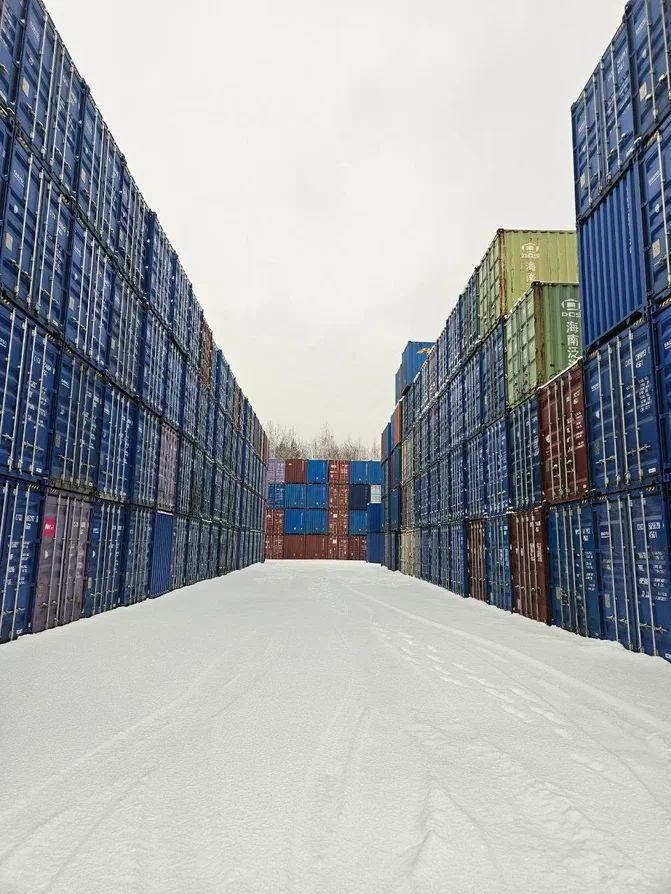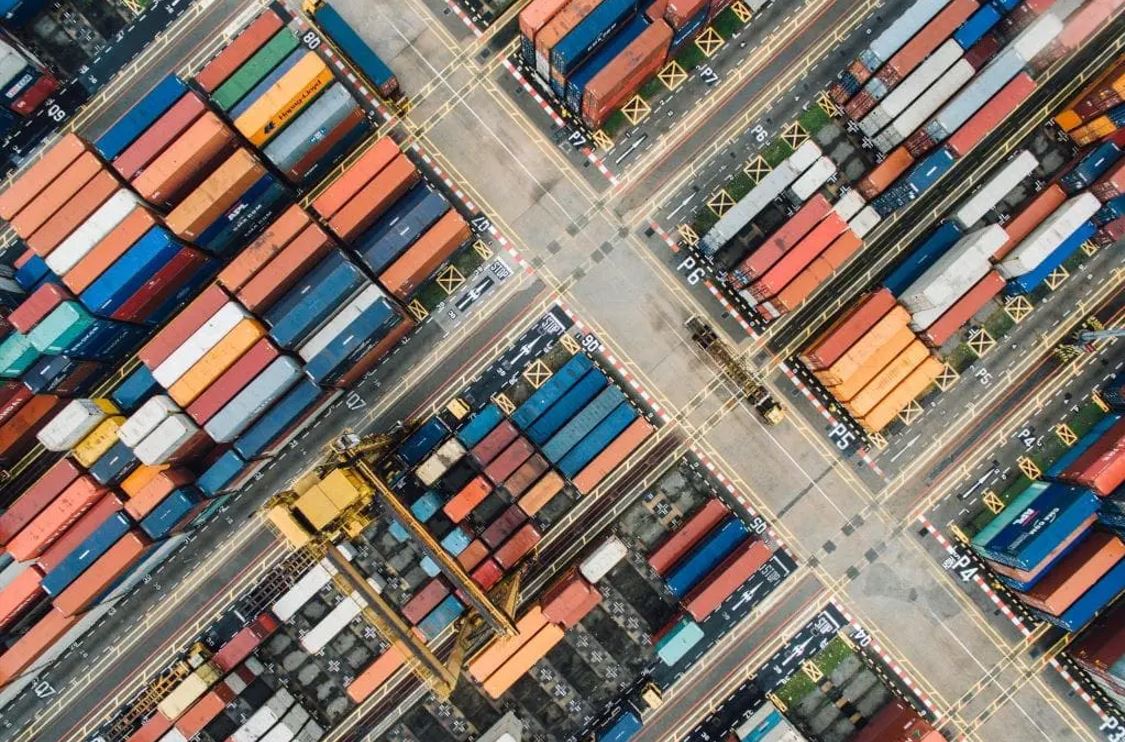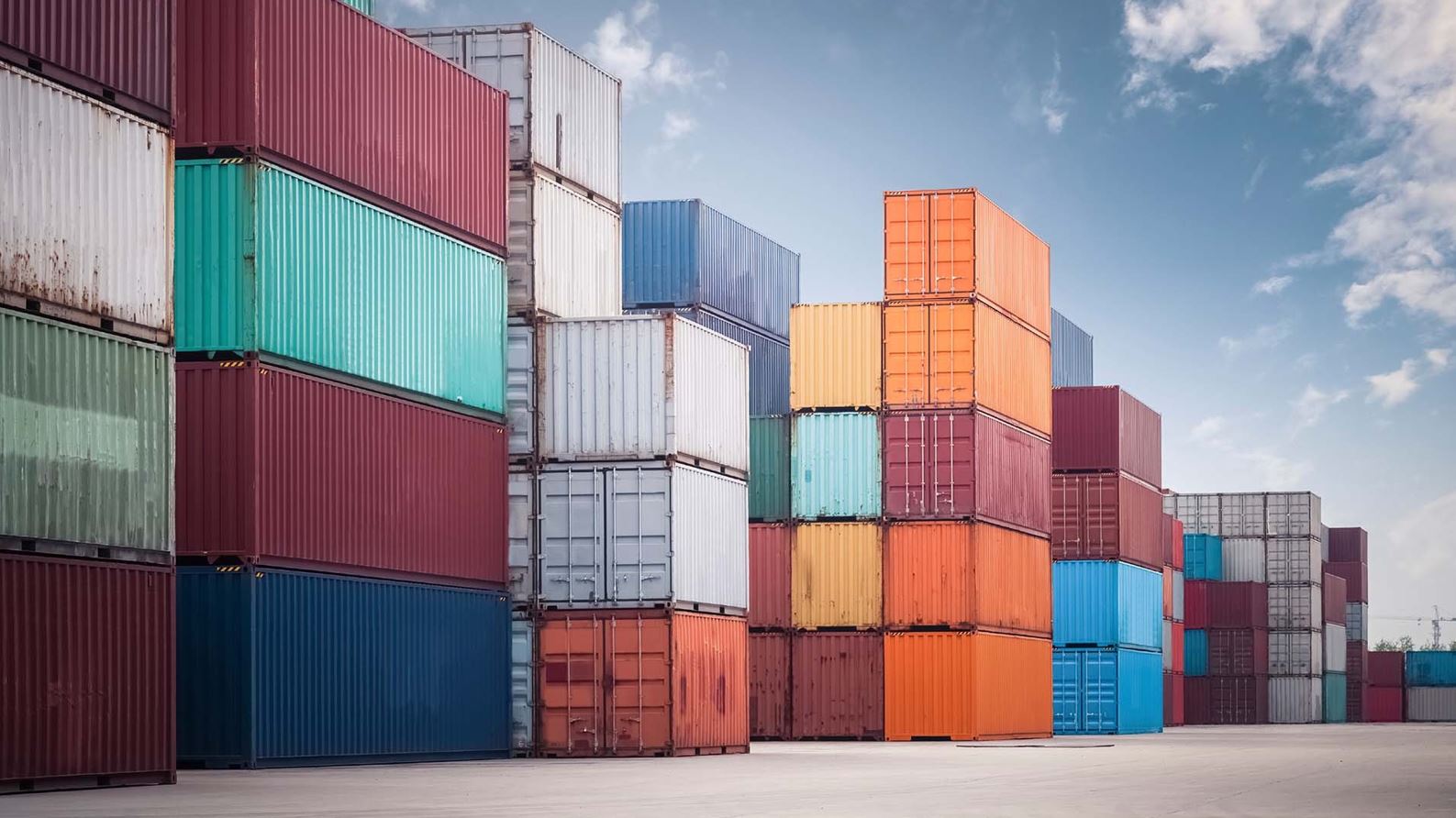


 Borisov, Brat'yev Vaynrubov, 39
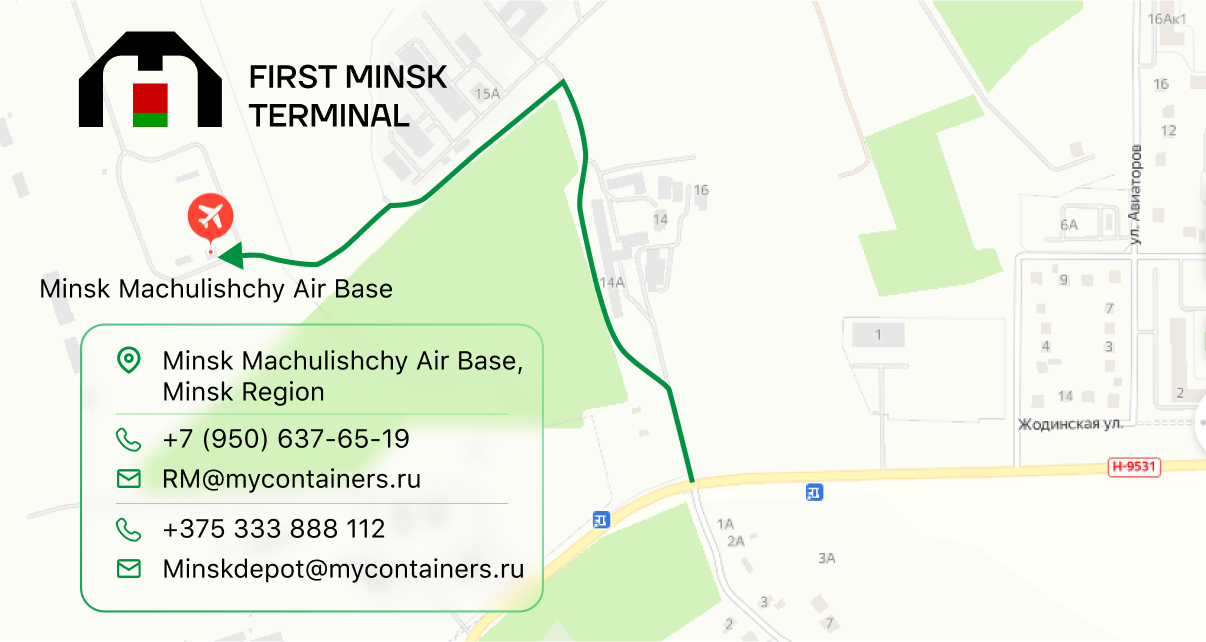 Minsk Machulishchy Air Base, Minsk Region
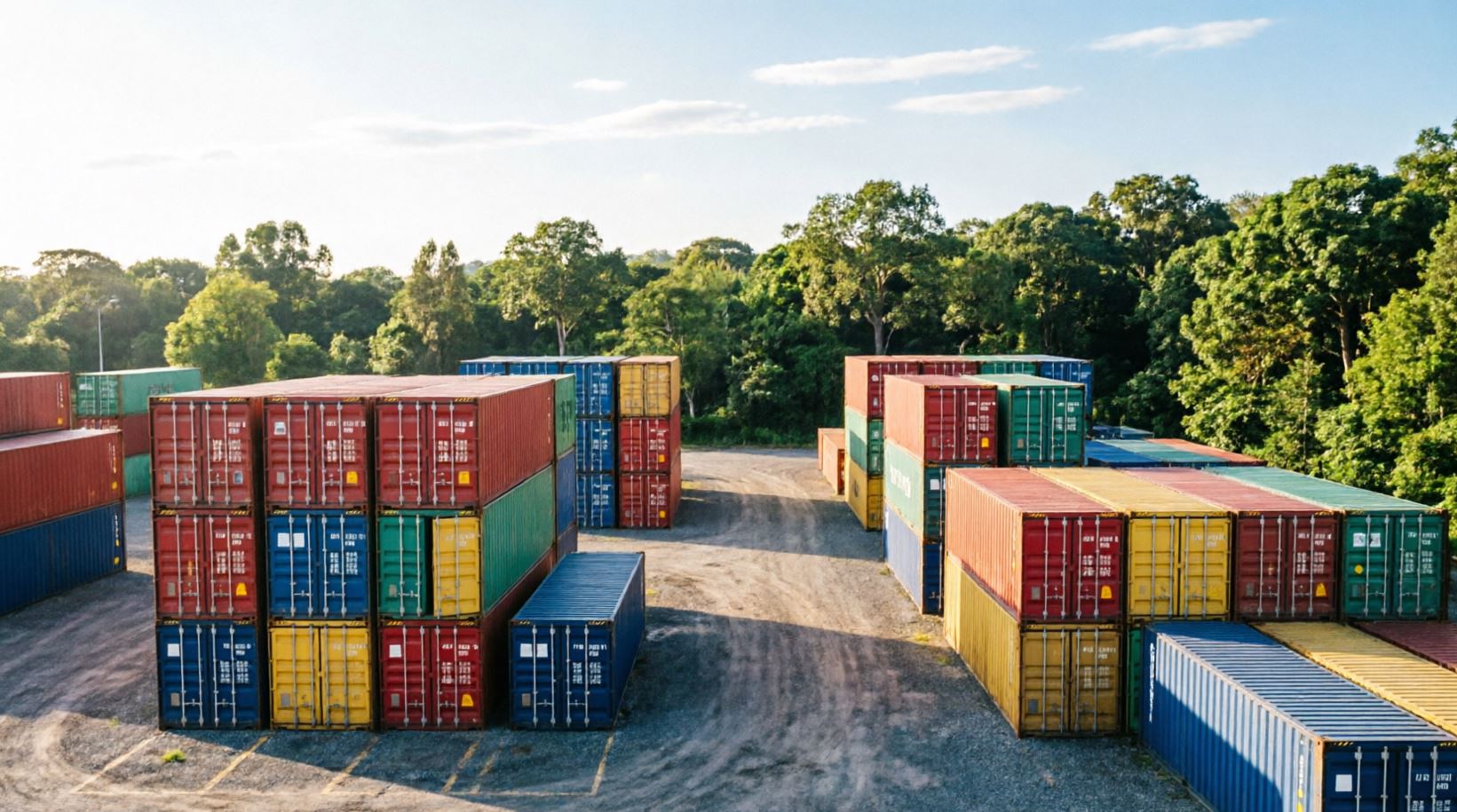
The decision to lift key US restrictive measures against the Republic of Belarus, which came into force in 2026, has become a turning point for Eurasian logistics. For the container transportation market, this is not just a political headline, but the removal of specific operational barriers that have hindered the industry for years. Compliance risks, issues with international insurance, and blocked bank transactions are becoming a thing of the past. Belarus is now returning to its status as a full-fledged, predictable, and financially transparent logistics hub on the route from Asia and the Middle East to the European Union. Let's break down exactly how this changes the rules of the game for market participants.
Belarus–EU Trade: From "Survival Mode" to Systematic Operations
Until recently, trade turnover between Belarus and EU countries did not stop completely, but it operated in "high complexity" mode. European companies used workaround payment schemes, refused standard marine insurance (P&I Clubs), and minimized direct contracts with Belarusian legal entities, fearing secondary sanctions.
The lifting of restrictions changes the paradigm:
Return of banking compliance. Belarusian companies once again have the opportunity to open letters of credit and make direct payments in euros and dollars for logistics services, storage, and customs clearance without using chains of intermediaries.
Access to international insurance. Cargo transiting through Belarus can once again be insured by leading global underwriters on standard terms, which is critically important for European importers.
Auditor visits. Representatives of European logistics companies and shipping lines can now legitimately visit Belarusian terminals to conduct COA (Container Owners Association) audits and verify storage conditions.
Impact on the Container Business: Unlocking the Fleet
For terminals and operators, the lifting of sanctions means market normalization for equipment. During the restriction period, major international leasing companies (Triton, Textainer, CAI) effectively froze the renewal of their fleets in the region, fearing the risk of asset seizure.
Now that legal uncertainty has been removed, the following is expected:
Return of leasing giants. They will resume long-term storage and maintenance contracts for their empty fleets at Belarusian sites.
Simplified repair and spare parts procurement. Terminals gain legal access to original components for container repair and crane equipment maintenance, which reduces the cost of M&R (Maintenance & Repair) services.
Growing demand for high-quality space. European freight forwarders, who previously avoided the region, are once again considering Minsk as an optimal point for consolidation and buffer storage before shipment to Poland, Lithuania, or Latvia.
Transit Flows: China, Russia, and the Middle East
Belarus is strengthening its role as the main land gateway for three powerful cargo flows heading to Europe.
1. China (New Silk Road)
Chinese logistics operators (China Railway Express) have always operated in Belarus, but their European clients often demanded a change of carrier at the border due to insurance concerns. Now, the unified CIM/SMGS consignment note works without additional caveats. The flow of high-tech goods, electronics, and auto components from the PRC to the EU via Belarusian terminals will receive a new growth impulse, as European receivers once again trust this delivery leg.
2. Russia
Belarus remains a key transit corridor for non-sanctioned Russian goods to Europe (timber, certain types of chemicals, fertilizers, food products). The removal of secondary sanction threats allows this transit to be processed with maximum transparency. Belarusian terminals take on the function of a "cleanliness buffer": here, cargo undergoes final document verification and repackaging (if necessary) before being handed over to a European carrier, which resolves any questions from EU customs authorities.
3. Middle East (North-South Transport Corridor)
The route from India and Iran via the Caspian Sea and Russia to Europe has received a powerful financial boost. Previously, banks in third countries blocked freight payments for the section passing through Belarus. Now that restrictions are lifted, international consortia are investing more actively in the development of this corridor, and Minsk is becoming a key hub for transshipping these cargoes from rail to road transport.
Customs: Return to International Standards
Customs administration is also undergoing changes. The practice of "total inspection" of transit cargo, which was a forced measure during the period of isolation, is fading away.
The "green corridor" practice is returning for trusted foreign economic activity participants (Authorized Economic Operators, AEO). Electronic data exchange between Belarusian customs and European systems (e.g., NCTS) is being fully restored. This reduces the processing time for a T1 transit declaration from several hours to minutes. For terminals, this means faster container turnover: cargo passes through Gate-in, is processed, and moves to Gate-out more quickly.
"First Minsk Terminal": Infrastructure Ready for a New Stage
While the market was adapting to complex conditions, we invested in infrastructure and digitalization. Our SKAT accounting system, customs control zones (CCZ), and security standards already meet the strict requirements of international leasing and shipping companies.
The lifting of sanctions does not mean we can relax. On the contrary, competition is intensifying. We are ready to offer European and Asian partners not just a "site," but a comprehensive, legally clean, and financially transparent storage service.
We are open to restarting long-term contracts and are ready to become your reliable hub in the heart of Europe.
Contacts for Discussing New Cooperation Terms:
Terminal addresses: Minsk region, Machulishchi airfield, Aerodromnaya str. 15A; Borisov, Bratyev Vainrub str. 39.
Dispatch service: +375 333 888 112
Email: Minskdepot@mycontainers.ru
Client Manager (Vladislav): +7 (912) 251-37-46 (WhatsApp, Viber), bv@mgcorporation.org
*The information on this page does not constitute a public offer.