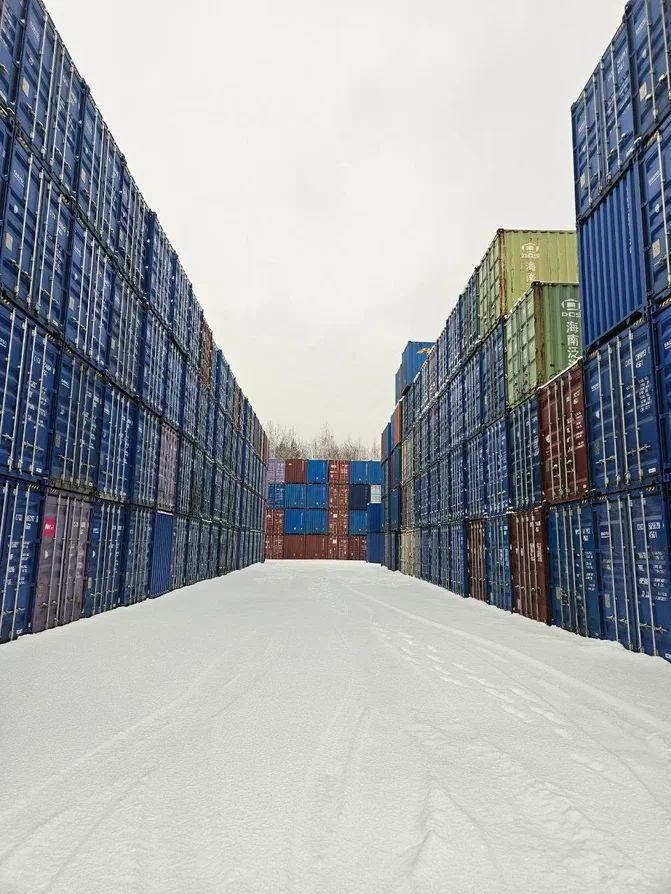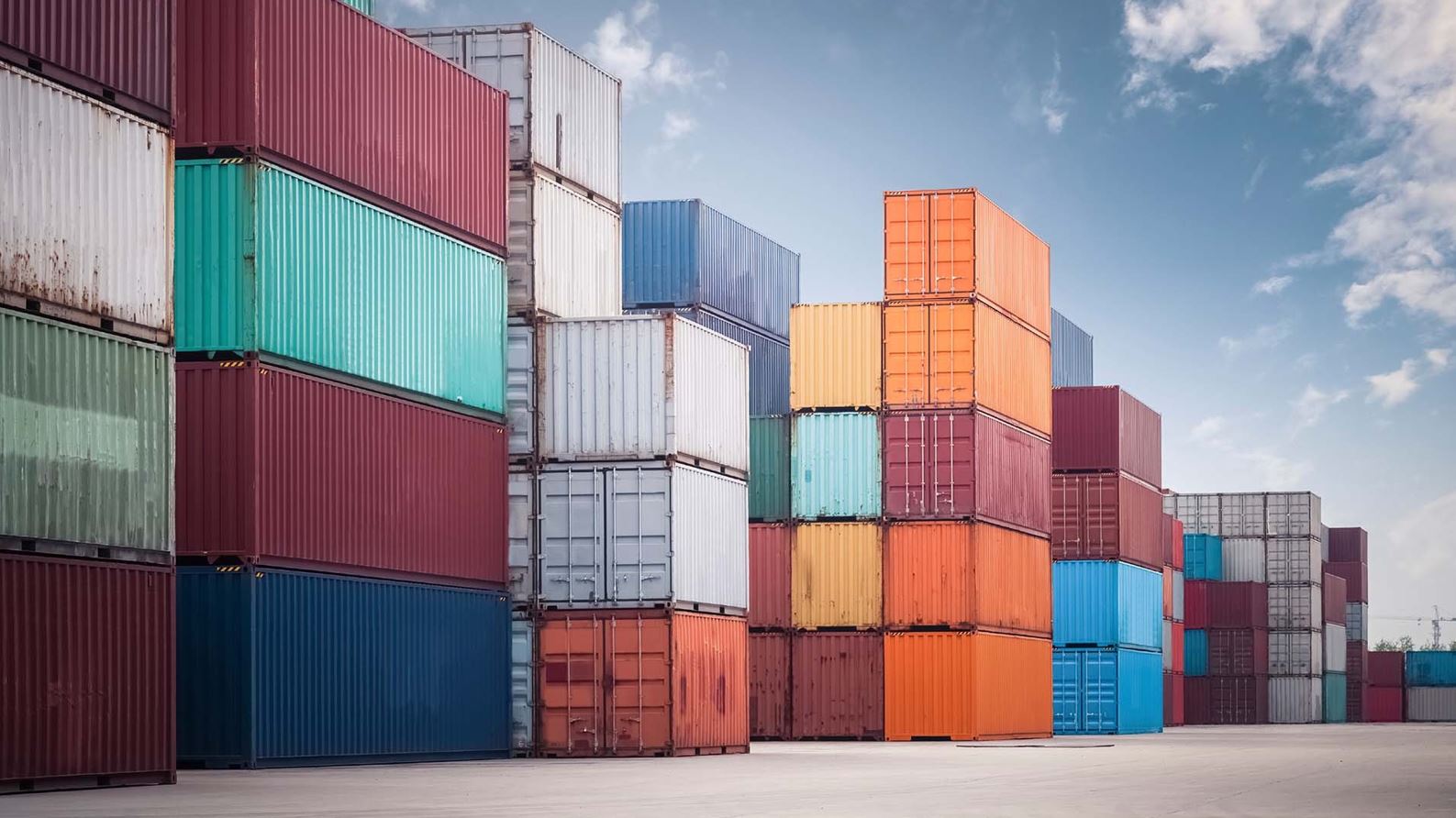


 Borisov, Brat'yev Vaynrubov, 39
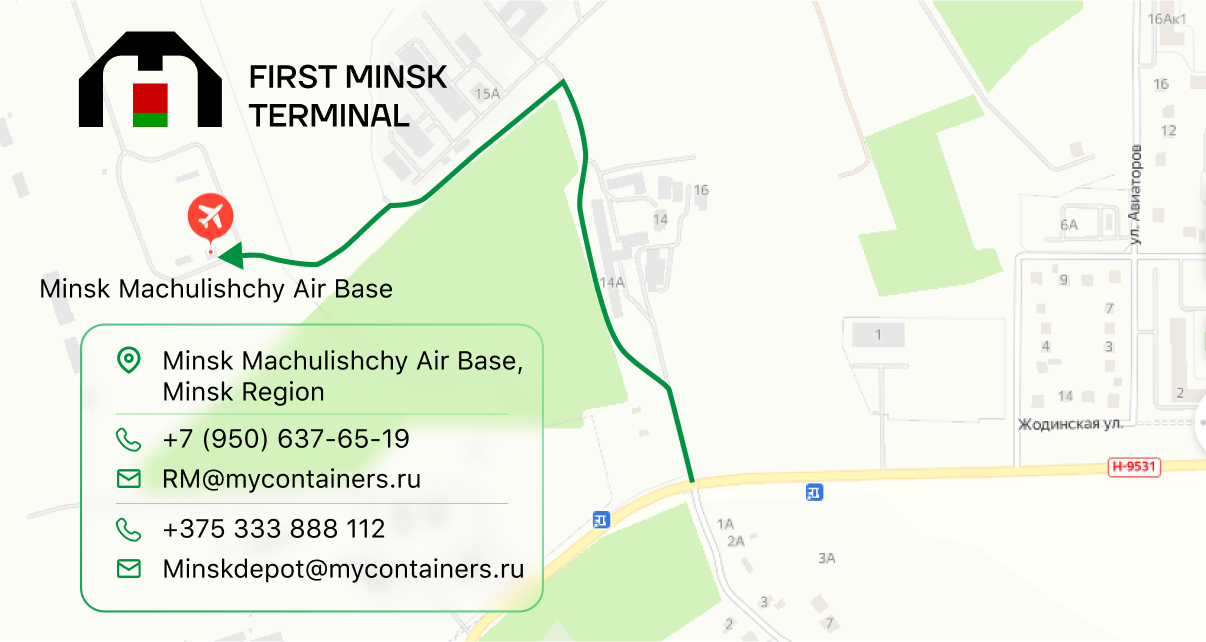 Minsk Machulishchy Air Base, Minsk Region
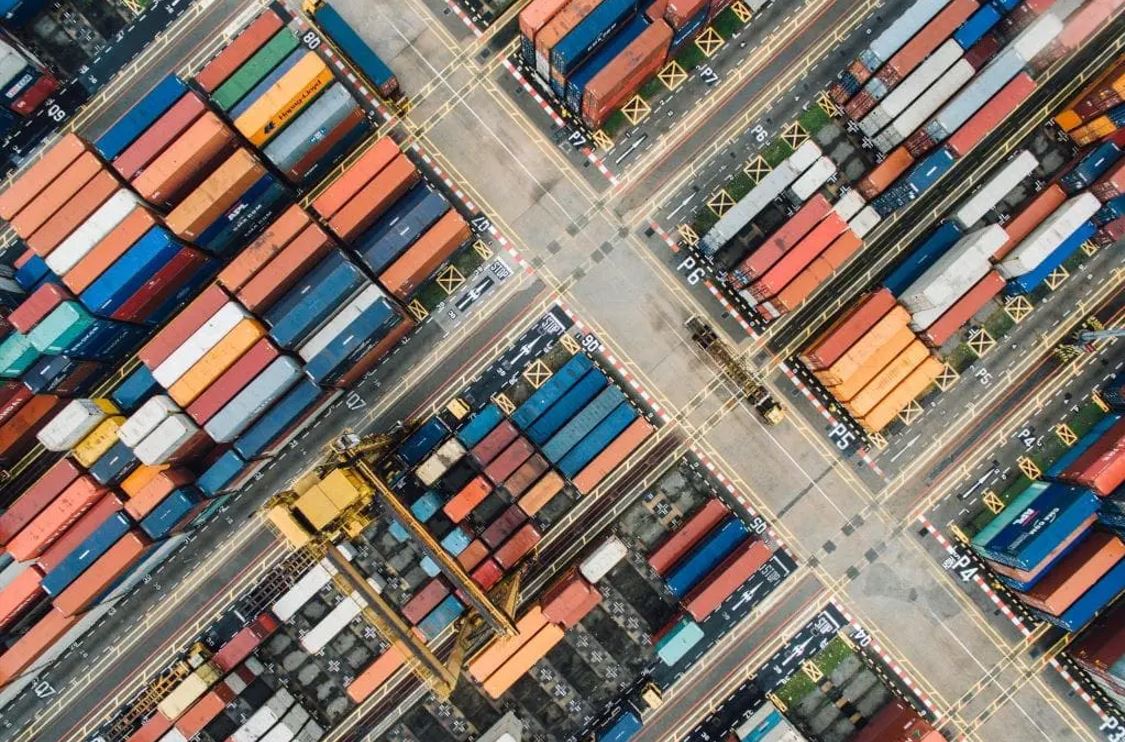
The China–Europe freight corridor has operated under a persistent imbalance for many years.
Eastbound trains carry electronics, machinery, consumer goods, and industrial products from China to Europe. On the return journey, however, many containers travel empty.
This imbalance has created one of the most expensive challenges in global logistics: a chronic shortage of containers in Asia alongside an oversupply of empty equipment in Europe.
For shipping lines and container leasing companies, this is far more than an operational inconvenience—it represents billions of dollars tied up in idle assets that remain in the wrong location for weeks or even months.
Effective empty container management and strategically located storage hubs have therefore become critical elements of modern supply chain optimization.
Understanding the Empty Container Imbalance
Once a container is unloaded in countries such as Poland, Germany, or the Netherlands, it should ideally return to the transport cycle as quickly as possible.
In reality, the process is rarely that straightforward.
Many inland terminals and port depots across Europe operate at or near full capacity.
As a result, shipping lines often incur additional costs for:
● Container yard rental
● Container shifting within terminals
● Long waiting periods before empty containers can be dispatched back to Asia
Maintaining idle container fleets in Western and Central Europe significantly increases operating expenses.
At the same time, irregular flows of empty containers create congestion at border crossings, disrupting schedules for loaded rail services and reducing overall supply chain efficiency.
The logistics industry therefore faces a fundamental challenge:
How can empty containers be consolidated efficiently without storing them in expensive European logistics hubs?
Shifting the Balance Eastward
The market has gradually adopted a practical solution—moving strategic storage hubs closer to Asia.
Belarus, and Minsk in particular, has evolved from a transit country into an important logistics hub that helps stabilize Eurasian container flows.
Relocating empty container consolidation to Belarusian terminals addresses several major operational challenges.
Reducing Border Congestion
Instead of allowing hundreds of empty trucks and rail platforms to accumulate near EU border crossings, such as Brest–Terespol, empty containers can be moved inland to Belarusian storage facilities.
This helps smooth traffic peaks and improves infrastructure utilization.
Lower Repositioning Costs
Container storage and maintenance in Minsk are considerably more cost-effective than in major European ports such as Hamburg or Klaipėda.
Lower costs for:
● Land
● Electricity
● Labor
● Repair services
help offset the expense of transporting empty containers from Europe into Belarus.
More Predictable Return Shipments to China
Belarusian logistics hubs function as large-scale consolidation centers.
Empty containers from multiple owners are accumulated, organized into outbound rail consignments, and dispatched eastbound according to scheduled rail services.
For receiving terminals in China, this creates greater predictability.
For container owners, it reduces the risk of late-return penalties and improves fleet utilization.
What an Effective Container Hub Should Provide
Before empty containers return to Asia, they must satisfy the technical standards required by shipping lines and railway operators.
An efficient logistics hub should therefore provide much more than storage alone.
At First Minsk Terminal, we offer a complete range of pre-departure services.
Comprehensive Container Inventory Management
Every container entering the terminal is registered and tracked.
Customers receive accurate, real-time information about:
● Fleet composition
● Container sizes (20’, 40’, 40’HC)
● Current location
● Technical condition
This provides complete transparency across the entire storage period.
Container Repair Services
Containers arriving from Europe frequently require repairs before they meet Cargo Worthy or IICL standards.
Our in-house repair teams perform:
● Structural repairs
● Hardware replacement where required
● Restoration of container integrity
Because repairs are completed directly at the terminal, containers do not need to be transported to third-party workshops, reducing both costs and downtime.
Secure Container Storage
Our terminals are equipped with:
● 24/7 security
● CCTV surveillance
● Perimeter lighting
● Controlled access
For leasing companies and fleet owners, secure storage significantly reduces the risks of theft, vandalism, and damage to valuable equipment.
Building More Resilient Supply Chains
Modern supply chains depend on reliable logistics hubs capable of absorbing fluctuations in global freight flows.
Consolidating empty containers in Minsk transforms an unpredictable return process into a structured, efficient, and economically sustainable operation.
Rather than allowing containers to remain idle in expensive European depots, companies can centralize storage, maintenance, and fleet management within a strategically located logistics hub.
Partner with First Minsk Terminal
We welcome cooperation with:
● Shipping lines
● Container leasing companies
● International logistics operators
● Freight forwarders
● Fleet owners
Our terminals provide secure storage, container repair, fleet management, and operational support for empty container fleets moving between Europe and Asia.
Contact us to discuss your storage requirements and receive a customized commercial proposal.
Contact Information
Terminal Locations
● 15A Aerodromnaya Street, Machulishchi Airfield, Minsk Region, Belarus
● 39 Bratyev Vaynrub Street, Borisov, Belarus
Dispatch Office
Phone: +375 333 888 112
Email: Minskdepot@mycontainers.ru
Key Account Manager – Vladislav
Phone: +7 (912) 251-37-46 (WhatsApp & Viber)
Email: bv@mgcorporation.org