

 Borisov, Brat'yev Vaynrubov, 39
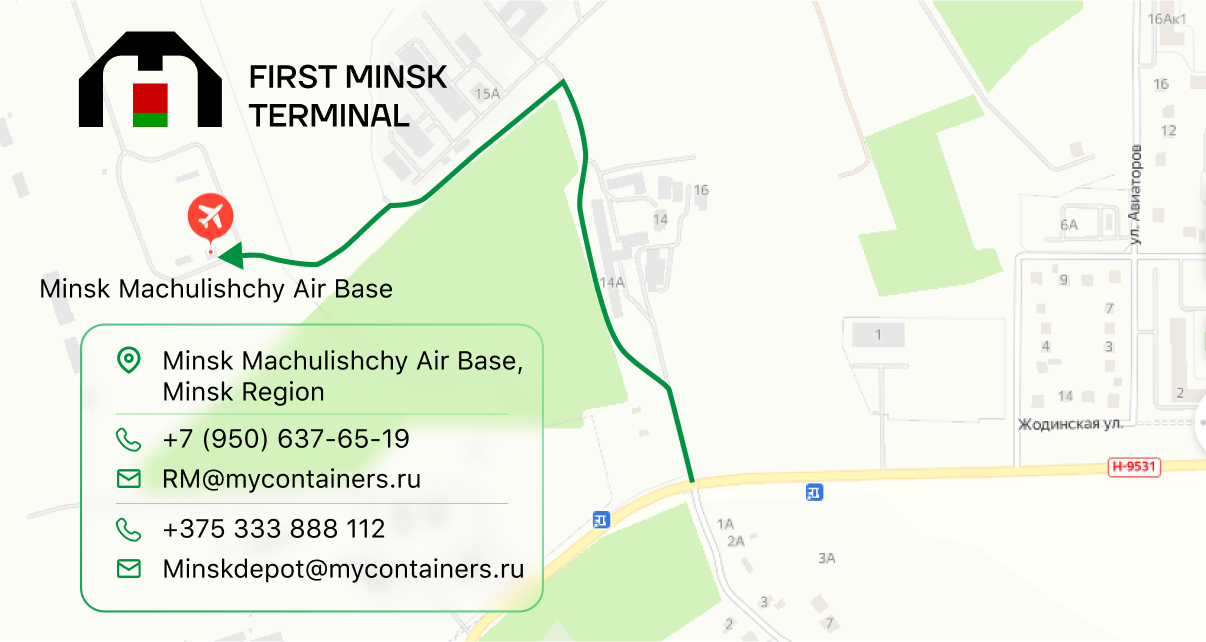 Minsk Machulishchy Air Base, Minsk Region
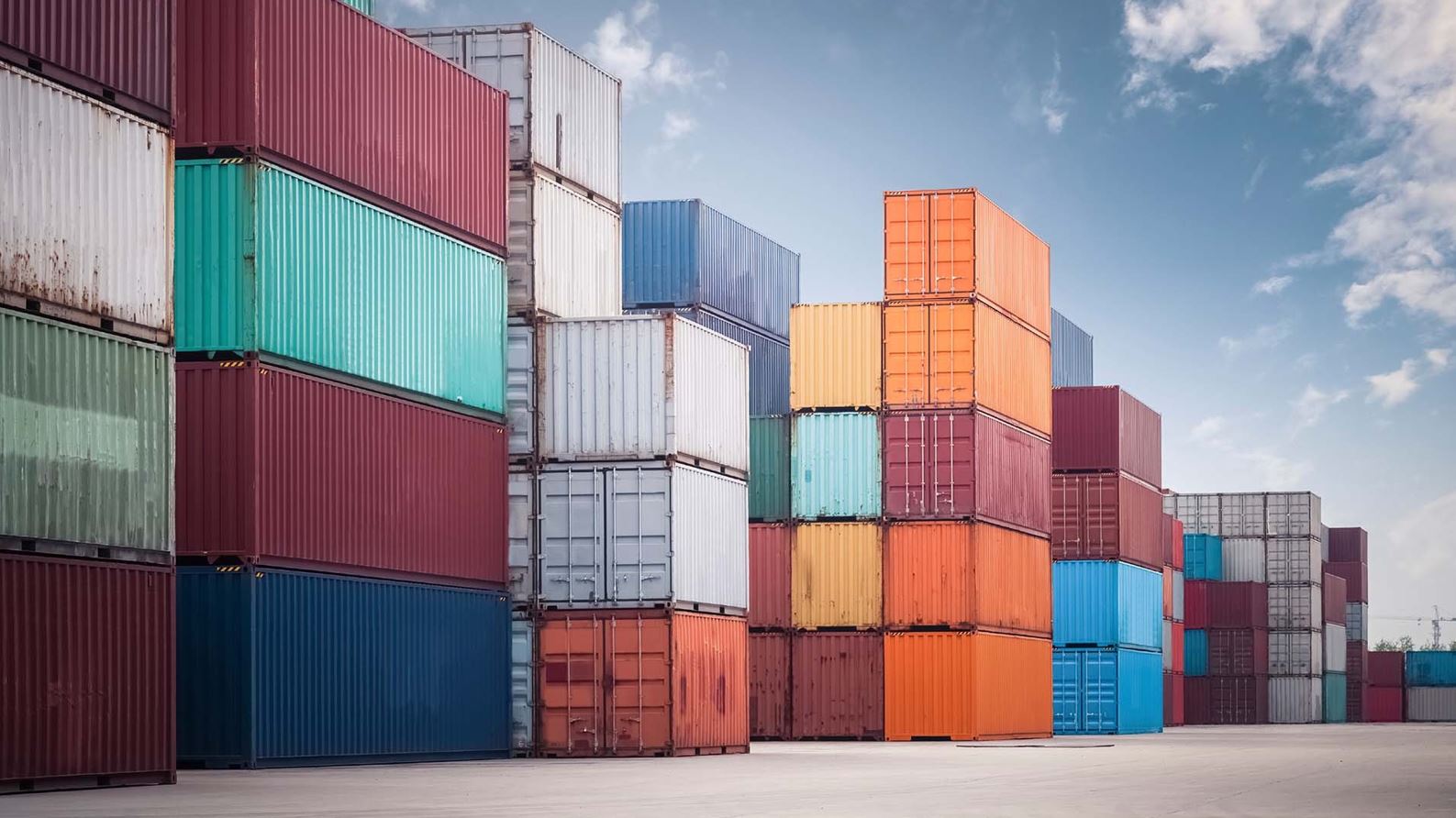
Empty repositioning—the movement of empty shipping containers—is one of the largest operating expenses for container carriers. On the China–Europe trade route, where exports from Asia significantly exceed imports, repositioning empty containers can account for 20–30% of operational budgets.
Empty containers must be returned to Asia to support export demand, but unlike loaded shipments, these moves generate little or no direct revenue. As a result, every unnecessary kilometer increases logistics costs.
Why Empty Repositioning Becomes So Expensive
A container’s journey does not end when it is unloaded in Europe.
Once cargo has been delivered, the empty container must re-enter the supply chain and eventually return to Asia.
The challenge is that containers are dispersed across a wide geographic area—from major Western European ports to inland terminals throughout Central and Eastern Europe.
When each freight forwarder independently transports empty containers to the nearest rail terminal, inefficiencies quickly emerge:
● Trucks often operate below full capacity.
● Small groups of containers become scattered across multiple depots.
● Rail terminals struggle to assemble full outbound trains.
Instead of one efficient logistics flow, the return journey is divided into numerous short, costly repositioning moves.
The total cost of returning a single TEU to China therefore becomes the sum of many inefficient transport segments.
Why Consolidation Is the Most Cost-Effective Solution
Modern logistics depends on efficient consolidation rather than fragmented transportation.
Instead of repositioning every empty container individually, shipping lines, leasing companies, and logistics operators increasingly consolidate equipment at strategically located logistics hubs.
Belarus, thanks to its geographic location and well-developed railway infrastructure, has become an ideal consolidation point for empty containers moving back to Asia.
Benefits of a Centralized Container Hub
Lower Transportation Costs Through Consolidation
Moving larger container volumes creates economies of scale.
Instead of transporting individual containers from Poland, Lithuania, Germany, or neighboring countries, shipments are combined into larger batches.
This improves vehicle utilization and significantly reduces the transportation cost per TEU.
Direct Connection to China Rail Services
At First Minsk Terminal, empty containers are not simply stored—they are accumulated until sufficient volumes are available to assemble outbound rail shipments to China.
This approach offers several advantages:
● Reduced waiting times
● Fewer intermediate handling operations
● Lower risk of transportation damage
● More predictable departure schedules
More Efficient Container Preparation
Containers returning from Europe rarely arrive in perfect condition.
When an entire fleet is consolidated in one location, it becomes much more economical to maintain permanent repair teams and container cleaning facilities than to rely on individual service providers across multiple European countries.
This lowers both repair costs and equipment downtime.
How Container Consolidation Works at First Minsk Terminal
At First Minsk Terminal, empty container consolidation is a fully integrated operation.
We accept empty containers from multiple owners while maintaining complete visibility and traceability for every unit.
Each arriving container is:
● Registered in our management system
● Inspected upon arrival
● Assessed for its technical condition
During the storage period, our specialists prepare containers for their next journey to Asia.
Services include:
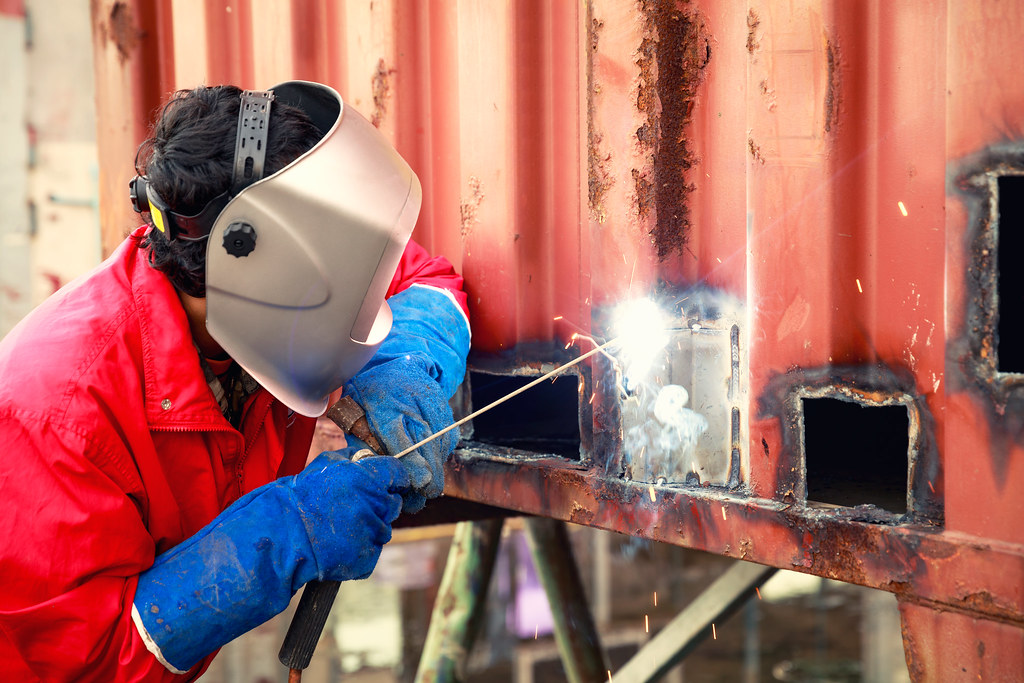
● Repairing structural damage
● Cleaning containers
● Removing cargo residues where necessary
● Checking watertight integrity
As a result, customers receive containers that are fully prepared for immediate loading at their destination in China—not simply empty equipment waiting in storage.
Turn Empty Repositioning into a Predictable Process
Although empty repositioning cannot be eliminated, it can be transformed from an unpredictable expense into a controlled and transparent logistics process.
By consolidating empty container fleets in Minsk, shipping lines, leasing companies, and international freight forwarders benefit from:
● Lower repositioning costs
● More efficient fleet management
● Faster return of equipment to Asia
● Reduced repair and maintenance expenses
● Improved operational planning
Partner with First Minsk Terminal
We work with:
● Shipping lines
● Container leasing companies
● International freight forwarders
● Logistics operators
● Fleet owners
Our team is ready to manage the consolidation of your empty container fleet and organize its efficient return to China.
Contact us to discuss storage options, transportation, and customized logistics solutions.
Contact Information
Terminal Locations
● 15A Aerodromnaya Street, Machulishchi Airfield, Minsk Region, Belarus
● 39 Bratyev Vaynrub Street, Borisov, Belarus
Dispatch Office
Phone: +375 333 888 112
Email: Minskdepot@mycontainers.ru
Customer Relations Manager – Vladislav
Phone: +7 (912) 251-37-46 (WhatsApp & Viber)
Email: bv@mgcorporation.org