Borisov, Brat'yev Vaynrubov, 39
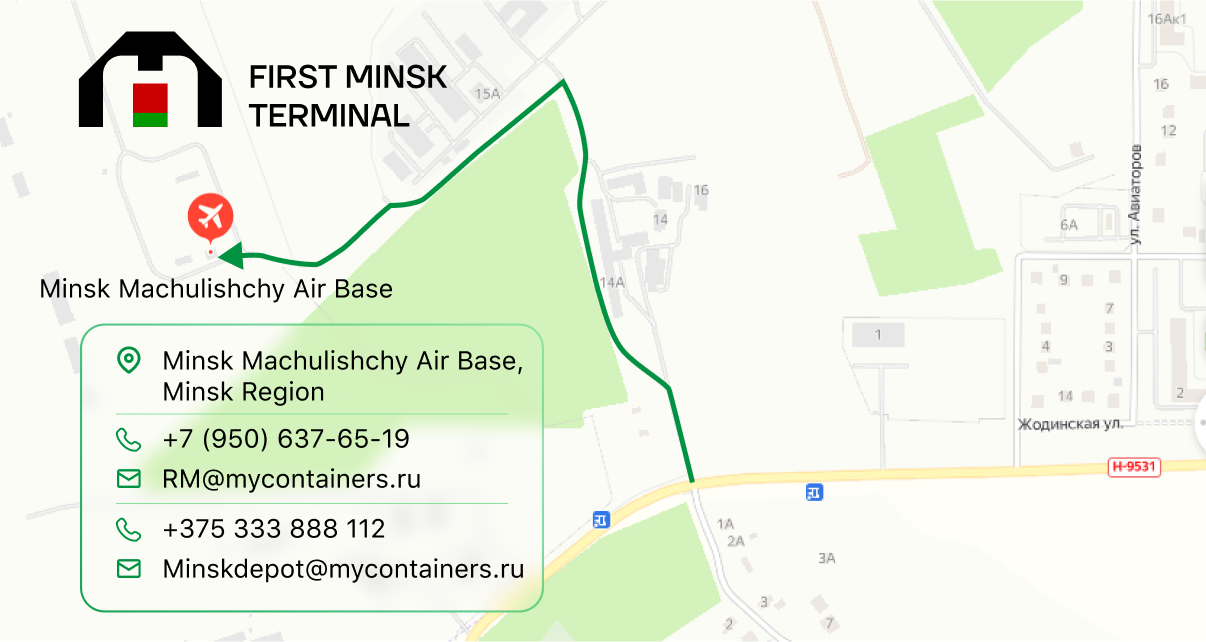 Minsk Machulishchy Air Base, Minsk Region
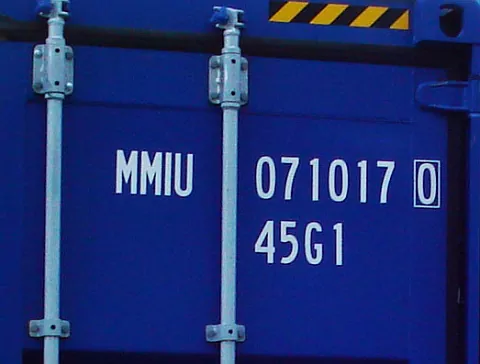
In international logistics, a shipping container number is its "passport" and unique digital identifier. It is by this code that terminals release cargo, customs identifies the shipment, and shipping lines track equipment location worldwide via GPS and EDI systems.
A single typo in a letter or digit can cause a container to get stuck at the port, customs to refuse cargo release, and the cargo owner to incur colossal losses from demurrage and detention fines. In this article, we will break down in detail how a container number is structured, where to find it physically, and why its verification is critical when ordering a container truck or selling the equipment.
How a Container Number is Structured: The ISO 6346 Standard
All shipping containers worldwide are marked in strict accordance with the international ISO 6346 standard. The number always consists of exactly 11 characters (letters and digits) and includes four logical parts.
Let's look at an example number: MSCU 123456 7
1. Owner Code (BIC Code) — 3 letters
This is a unique prefix registered with the Bureau International des Containers (BIC). It indicates the company that owns the equipment.
Examples: MAEU (Maersk), MSCU (Mediterranean Shipping Company), CMAU (CMA CGM), HLXU (Hapag-Lloyd), OOLU (OOCL).
Nuance: If you see a code not registered with the BIC (e.g., made up for a converted storage unit), such a container cannot participate in international sea or rail transport.
2. Equipment Category Identifier — 1 letter
The fourth character indicates the type of equipment:
U (Upright) — standard freight shipping container (the most common option).
J — detachable freight container-related equipment (e.g., a diesel generator / genset for a reefer).
Z — trailers, chassis, and automotive superstructures.
3. Serial Number — 6 digits
The unique sequential number of the container within a specific owner's fleet (e.g., 123456). It is assigned at the manufacturing plant during production.
4. Check Digit — 1 digit
Located in a separate box at the very end (in our example, it is 7).
Purpose: It is calculated using a complex mathematical formula (using powers of 2 for each letter and digit). This digit is needed to automatically verify the correctness of the entire number entered into the computer systems of a port, customs, or rail terminal. If a dispatcher makes a mistake entering even a single character, the system will throw an "Invalid check digit" error and block the processing.
Where is the Number Physically Located on a Container?
The number is duplicated in several places so it can be read under any conditions (even if the container is stacked high on a vessel or rail flatcar):
Doors: On the right and left door leaves (usually at the top). This is the primary location for drivers and warehouse staff to read.
Side Panels: Painted in large letters on the longitudinal walls (often on both sides). Needed for crane operators and inspectors.
Roof: On the top surface (for reading by drones or cameras on high terminal masts).
CSC Plate (Safety Approval Plate): A metal nameplate on the left door leaf. Here, the number is stamped mechanically. This is the container's primary legal document.
Documents: Bill of Lading, international CMR consignment note, rail waybill (SMGS/GU-29), invoice, and packing list.
The Risks of Errors: The Cost of a Single Typo
Why do logistics managers and customs brokers get so nervous about container numbers?
Terminal Release Denial: If the removal application (gate pass) contains an incorrect number, the checkpoint system simply will not open the barrier for the container truck. The truck will sit idle, and the storage fine counter (demurrage) will keep ticking.
Customs Issues: Customs verifies the number in the declaration against the actual number on the seal and doors. A one-digit discrepancy = an administrative case, full cargo inspection, and delays lasting weeks.
Buyback Issues: If you decide to sell us a container, but the number on the door does not match the number on the CSC plate or in your title documents, this is a sign of "altered" numbers or a potentially unlawful origin of the container. Such containers are not accepted for buyback.
How We Handle Container Identification
We ensure legal and physical safety at all stages of working with equipment:
During Road Transport: When our drivers arrive at a terminal (e.g., Kolyadichi, Stepyanka, Brest) with a container truck, they are required to verify the number on the pass against the actual number on the doors and the seal. This eliminates the risk of taking someone else's cargo.
During Container Buyback: Before a transaction, we conduct strict identification. We verify that the number on the body matches the CSC plate and your documents. We only buy legally clean containers with readable, unaltered BIC codes.
Documentation Assistance: If you have lost your container documents, we will advise you on how to restore the data using the owner's BIC code to legally process the sale.
How to Order Transportation or Container Buyback?
Contact us, provide the container number (or send a photo of the doors and CSC plate), and we will instantly identify its type and dimensions, select the right transport, or calculate the buyback cost.
Phone: +375 333 888 112
Mobile: +7 (912) 251-37-46
Email: Minskdepot@mycontainers.ru
*Information on this page does not constitute a public offer.