

 Borisov, Brat'yev Vaynrubov, 39
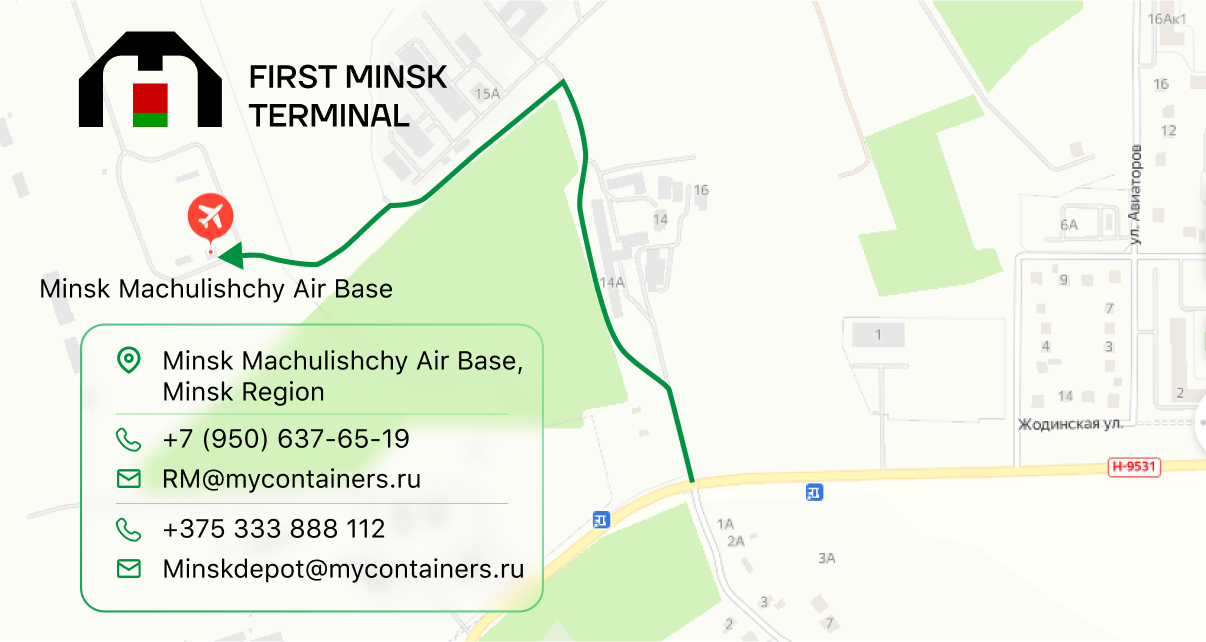 Minsk Machulishchy Air Base, Minsk Region
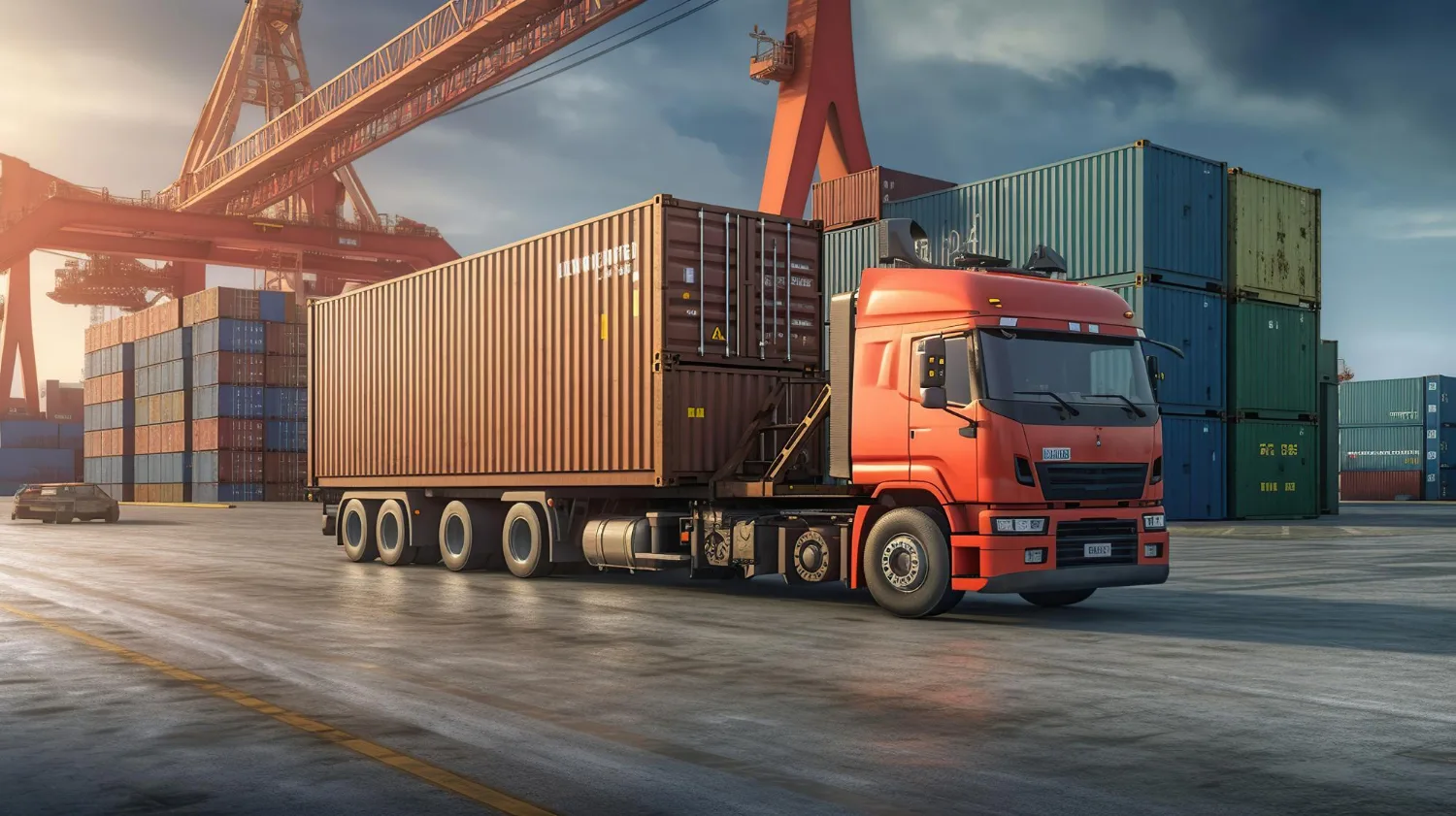
September 2026 has become a turning point for the international road transport market. Updated rules for permit-free international road transport have come into force, significantly changing the requirements for documents, vehicles, and driver qualifications.
For businesses working with container transport, this means not just bureaucratic changes, but the need to restructure logistics chains, revise contracts with carriers, and adapt to new customs control realities. Let's break down exactly what has changed and how to minimize the risks of downtime and fines.
What is Permit-Free Transport and Why It Matters
Permit-free international road transport is the transportation of goods between countries without the need to obtain special permits (bilateral or multilateral international transport permits) for each trip. This regime applies to countries with which Belarus has concluded appropriate agreements or which are parties to international conventions.
Until September 2026, this regime was relatively liberal. Now the rules have tightened, and compliance control has become much stricter.
Key Changes from September 1, 2026
1. Stricter Document Requirements
New mandatory documents:
Extended CMR consignment note: Now requires not only the sender and receiver details but also the full route with all border crossings indicated, as well as a detailed cargo description with HS codes.
Vehicle conformity certificate: A document confirming that the vehicle meets Euro-5 or higher environmental standards (for EU countries) or Euro-4 or higher (for EAEU countries).
Digital copies of documents: All original documents must have digital copies accessible for verification via QR code or electronic request.
What this means in practice:
Previously, a driver could carry only paper copies. Now, during border or en-route inspections, an officer may request digital verification of documents through a unified database. The absence of a digital copy or discrepancies with the original is grounds for detaining the vehicle.
2. New Driver Requirements
Qualifications and documents:
Certificate of Professional Competence (CPC): Drivers engaged in international transport must hold a valid CPC certificate, confirming completion of a course on safety, ecology, and cargo transport rules.
Language requirements: The driver must have a basic command of English or the language of the destination country to communicate with inspectors and cargo receivers.
Driving and rest hours: Stricter control over compliance with driving and rest hours (no more than 9 hours of driving per day, mandatory 45-minute break every 4.5 hours). Violations are recorded via next-generation tachographs with GPS tracking functionality.
What this means in practice:
Carriers who skimped on driver qualifications or used undocumented drivers now face fines ranging from 500 to 2,000 euros per violation. Detaining a vehicle at the border can lead to missed delivery deadlines and penalty sanctions from the client.
3. Environmental Standards and Restrictions
Vehicle requirements:
Euro-5 and above for EU entry: Vehicles below Euro-5 are not permitted to enter European Union territories.
Restrictions on entering specific zones: Some cities and regions are introducing Low Emission Zones (LEZ), where vehicles below Euro-6 are not allowed.
Mandatory emission checks: Random emission level checks using portable analyzers may be conducted at the border.
What this means in practice:
Companies using older vehicle fleets are forced to either modernize them or seek alternative routes through countries with less stringent environmental requirements. This increases transportation costs and delivery times.
4. Digitalization and Electronic Corridors
New control technologies:
Electronic border queues: A pre-registration system for border crossing via an electronic queue. Vehicles not registered in the system may be denied priority border crossing.
Automated document checks: Some border crossings have implemented systems for automated verification of CMR consignment notes and customs declarations via QR code scanning.
Real-time tracking: Customs authorities can track the vehicle's location via GPS data from the tachograph.
What this means in practice:
Businesses that have not integrated their logistics systems with electronic corridors face border delays. Containers that were supposed to be delivered on time end up idling at border crossings, generating additional storage and downtime costs.
How This Affects Container Transport
Road container transport is a critical link in multimodal supply chains. Changes in international road transport rules directly impact:
Delivery times: Stricter border control increases border crossing times. Where a container previously crossed the border in 2–4 hours, it may now take 6–12 hours or more.
Logistics costs: Additional requirements for documents, environmental standards, and driver qualifications increase carriers' operational expenses. These costs are passed on to clients through higher rates.
Downtime risks: Detaining a vehicle due to non-compliance with new rules leads to missed delivery deadlines. For container transport, this is especially critical, as idling at the border generates demurrage and detention fees.
Need for buffer storage: To minimize the risk of missed deadlines, businesses are increasingly using temporary container storage services at terminals in Customs Control Zones (CCZ). This allows cargo to be accumulated and dispatched once all documents and vehicles are fully compliant.
Practical Recommendations for Business
To adapt to the new rules and minimize risks, we recommend:
Carrier audit: Audit your transport partners. Ensure they meet the new requirements: Euro-5+ fleet, drivers with CPC certificates, and integration into electronic systems.
Digitalization of document flow: Transition document management to a digital format. Ensure all documents have digital copies with QR codes for rapid verification.
Planning with a buffer: Build an additional time buffer (at least 1–2 days) into delivery schedules to account for potential border delays.
Use of buffer storage: For critical cargo, utilize temporary storage services at terminals in CCZs. This allows you to hold the cargo and dispatch it when all documents and transport are in perfect order.
Staff training: Train your logistics managers and staff on the new rules and requirements. This will help avoid errors in document preparation and coordination with carriers.
Economics of the Changes
According to logistics operators, the new rules will increase the cost of international road transport by an average of 10–15%. The main cost drivers are:
Modernizing the vehicle fleet to Euro-5/Euro-6 standards.
Driver training and certification.
Implementing digital document management systems.
Increased border crossing times (additional downtime costs).
However, these expenses are offset by a reduction in the risks of fines, detentions, and missed delivery deadlines. For businesses handling large volumes with critical deadlines, adapting to the new rules is not an option, but a necessity.
"First Minsk Terminal" is ready to help you adapt to the new conditions. We will ensure reliable storage, professional customs support, and coordination with vetted carriers so that your cargo is delivered on time and without unnecessary expenses.
Contacts for Organizing Container Transport and Temporary Storage:
Terminal addresses: Minsk region, Machulishchi airfield, Aerodromnaya str. 15A; Borisov, Bratyev Vainrub str. 39.
Dispatch service: +375 333 888 112
Email: Minskdepot@mycontainers.ru
Client Manager (Vladislav): +7 (912) 251-37-46 (WhatsApp, Viber), bv@mgcorporation.org
*The information on this page does not constitute a public offer.