Borisov, Brat'yev Vaynrubov, 39
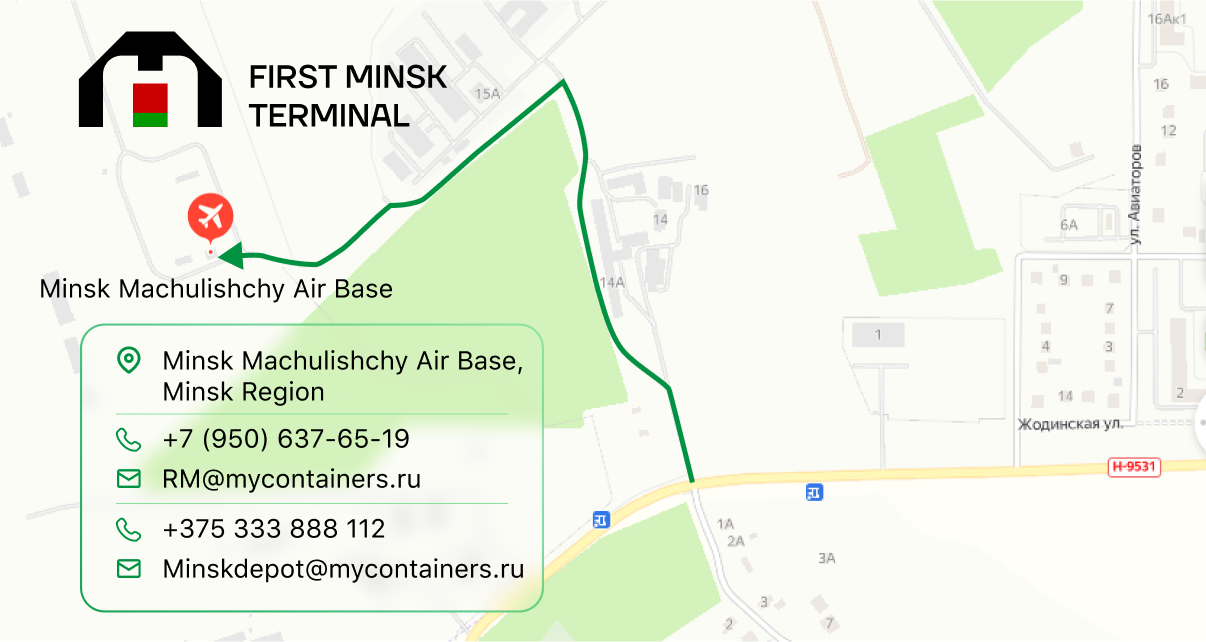 Minsk Machulishchy Air Base, Minsk Region
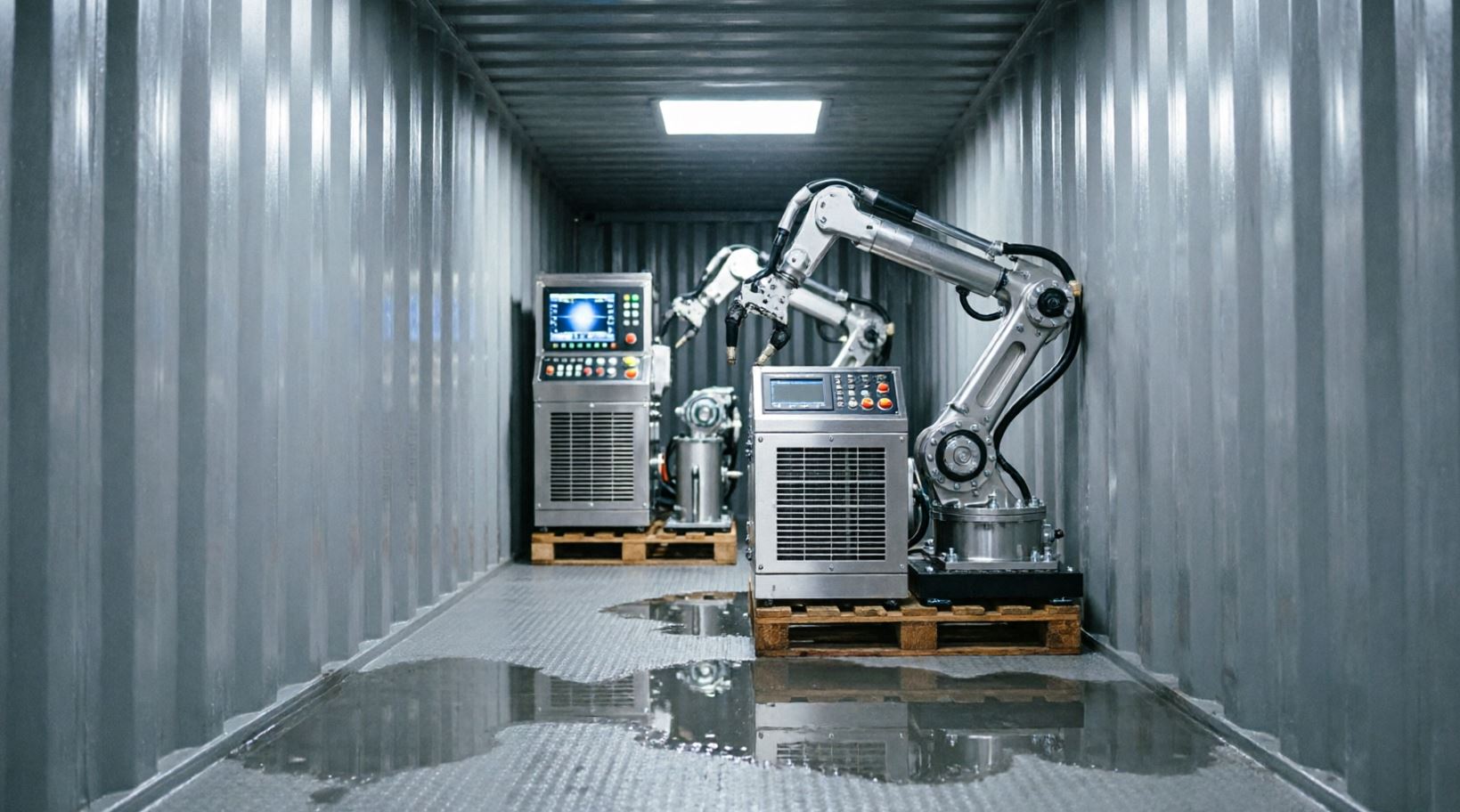
Water is the main enemy of any cargo during sea, railway, or long-term ground transportation. According to logistics company statistics, up to 15% of cargo damage in transit is directly related to moisture exposure. In the professional community, this phenomenon is known as "container rain."
Let's figure out why water appears inside a seemingly hermetically sealed metal box, how to prevent it, and what to do if the container has already suffered from dampness.
Why Condensation Forms: The Physics of the Process
A sea container is made of steel, which has high thermal conductivity. This means it heats up quickly during the day and cools down rapidly at night. Condensation occurs due to temperature differences and the presence of a moisture source.
Here are the 3 main causes of "container rain":
Diurnal temperature fluctuations: During the day, the air inside the container heats up and expands, absorbing moisture. At night, the steel walls and roof cool down sharply. The warm, humid air comes into contact with the cold metal surface, reaches the "dew point," and turns into water droplets that run down the walls and drip onto the cargo.
Moisture from the cargo and packaging: This is the most insidious source. Wooden pallets, cardboard boxes, and even the goods themselves (grain, textiles, paper) contain moisture. For example, standard wooden pallets can release up to 15–20 liters of water as vapor during a long voyage.
Lack or blockage of ventilation: Standard dry cargo containers (DC) have ventilation vents at the top of the end walls. If they are taped over, blocked by cargo, or clogged with dirt, humid air cannot escape and condenses inside.
Why is Condensation Dangerous for Business?
Ignoring the moisture problem leads to direct financial losses:
Mold and fungus: Spoil food products, textiles, footwear, and leather goods.
Corrosion: Causes metal parts, equipment, and the container frame itself to rust.
Soggy packaging: Cardboard boxes lose their strength, leading to deformation and breakage of goods during stacking.
Refusal of cargo acceptance: European or Russian receivers may turn the truck away at the border or draw up a cargo damage report, shifting the losses onto the sender.
5 Proven Ways to Fight Condensation
To ensure your cargo arrives from China, Europe, or Central Asia in perfect condition, use a comprehensive approach:
1. Use container desiccants
This is the most effective method. Special bags filled with silica gel or clay are hung on hooks inside the container before loading. They actively absorb moisture from the air throughout the entire journey.
Tip: A 20-foot container typically requires 4–6 kg of desiccant, while a 40-foot container requires 8–12 kg.
2. Ensure proper ventilation
Never tape over or block the ventilation openings at the top of the container with cargo. There must be a gap of at least 15–20 cm between the top row of cargo and the roof for air circulation.
3. Control packaging moisture
Use only dry wooden pallets (wood moisture content should not exceed 18–20%).
Avoid using wet or fresh cardboard.
Wrap pallets with sensitive cargo in stretch film or use moisture-proof covers (polyethylene liners) to isolate the goods from direct contact with humid air.
4. Choose a container in the right condition
For transporting moisture-sensitive cargo, containers in As Is ("as is") or WWT (Wind and Water Tight) condition are strictly unsuitable. They may have micro-cracks in the welds or worn door seals.
Demand containers in CW (Cargo Worthy) or IICL (Institute of International Container Lessors) condition. They undergo leak testing: their doors fit tightly, and the roof has no damage.
5. Proper cargo stacking scheme
Do not place pallets flush against the container walls. Leave a small gap (5–10 cm) around the perimeter so that air can circulate along the walls, preventing moisture from accumulating in the corners.
What to Do If the Container Has Already Suffered from Moisture?
If you are using a container for storage at a warehouse, farm, or construction site and notice rust, a moldy smell, or puddles of water on the floor, you have two options:
Option 1: Restoration (if the container is valuable)
Completely empty the container.
Thoroughly wash and, most importantly, dry it (ideally, in direct sunlight with the doors open).
Clean rust spots with a wire brush and cover them with anti-corrosion primer and paint.
Check the rubber door seals. If they are dried out or torn, replace them.
Check the roof for micro-cracks (a hose test sometimes helps: one person pours water on the roof while another stays inside looking for leaks).
Option 2: Get rid of the problem and get your money back (Recommended)
If the container is old, heavily rusted, or you simply no longer need the storage space, do not waste time and money on repairs.
We buy sea containers in any condition, including problematic and wet ones (As Is category). You bring it to our depot in Minsk (or we arrange pickup), we conduct an inspection, and pay you on the day of the transaction. With the funds received, you can purchase a dry, hermetic container in CW condition that will reliably protect your next cargo.
How We Help Solve Container Problems
We cover the full cycle of equipment management so you do not face losses due to moisture:
Selection and delivery of dry containers: We will deliver a hermetic container in CW or IICL condition with verified seals and an intact roof. Delivery by container truck or crane truck exactly on time.
Express buyout of problematic equipment: We will relieve you of a rusty, leaking, or unnecessary container. Assessment in 15 minutes, immediate payment.
Preparation consultations: We will advise you on which type of container is best for your specific cargo (e.g., a ventilated container for agricultural products).
Flexible payment options: Cash and non-cash settlement, VAT-included invoicing for legal entities, and prompt document processing.
How to Order a Dry Container or Arrange a Buyout
Contact us for a consultation. We will select reliable equipment for your cargo or offer a competitive price for your old container.
Tel.: +375 333 888 112
Mobile: +7 (912) 251-37-46
Email: Minskdepot@mycontainers.ru
*The information on this page does not constitute a public offer.