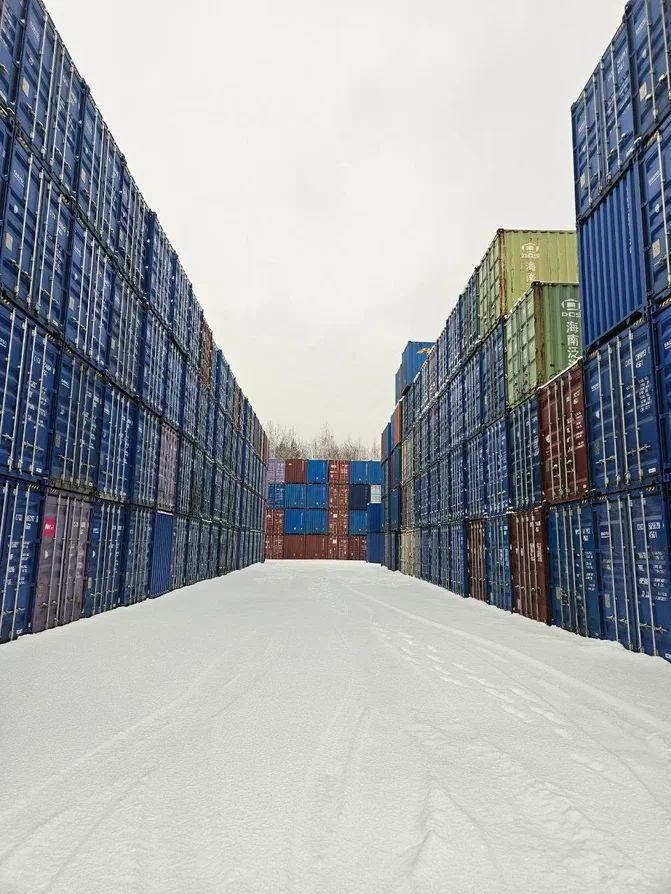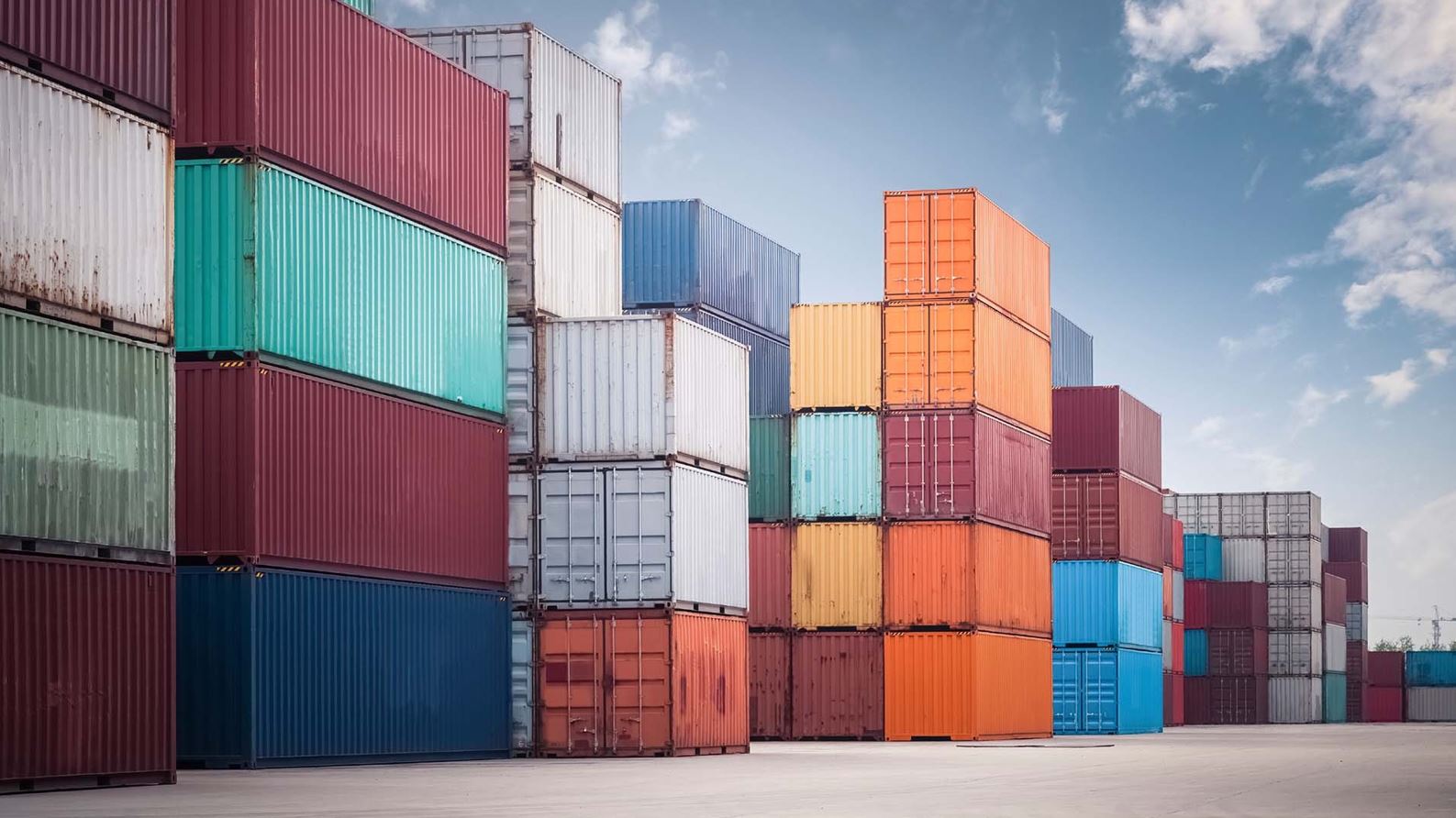


 Borisov, Brat'yev Vaynrubov, 39
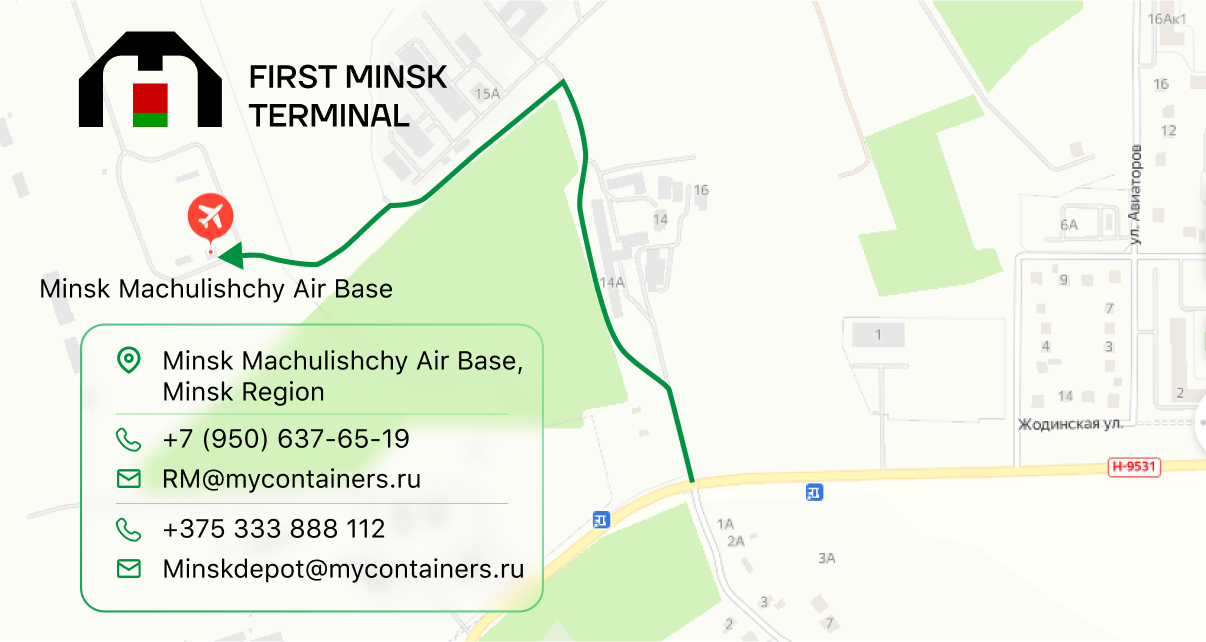 Minsk Machulishchy Air Base, Minsk Region
After the redirection of cargo flows from the Baltic ports of Lithuania and Latvia, which became difficult to access for Belarusian cargo due to sanctions, the issue of reliable sea access became critical for Belarusian exporters and importers. The response to this challenge has been active integration with Russian port infrastructure.
In September 2026, Belarusian Railway (BelZhD) launched a regular container train on the route Belarus – Bronka Port (St. Petersburg). This is not just another direction — it is a full-fledged multimodal corridor that opens direct access for Belarusian cargo to global ocean logistics via a modern deep-water terminal. Let's break down how this route is structured, what opportunities it offers businesses, and how "First Minsk Terminal" fits into this supply chain.
What is Bronka Port and Why It Matters
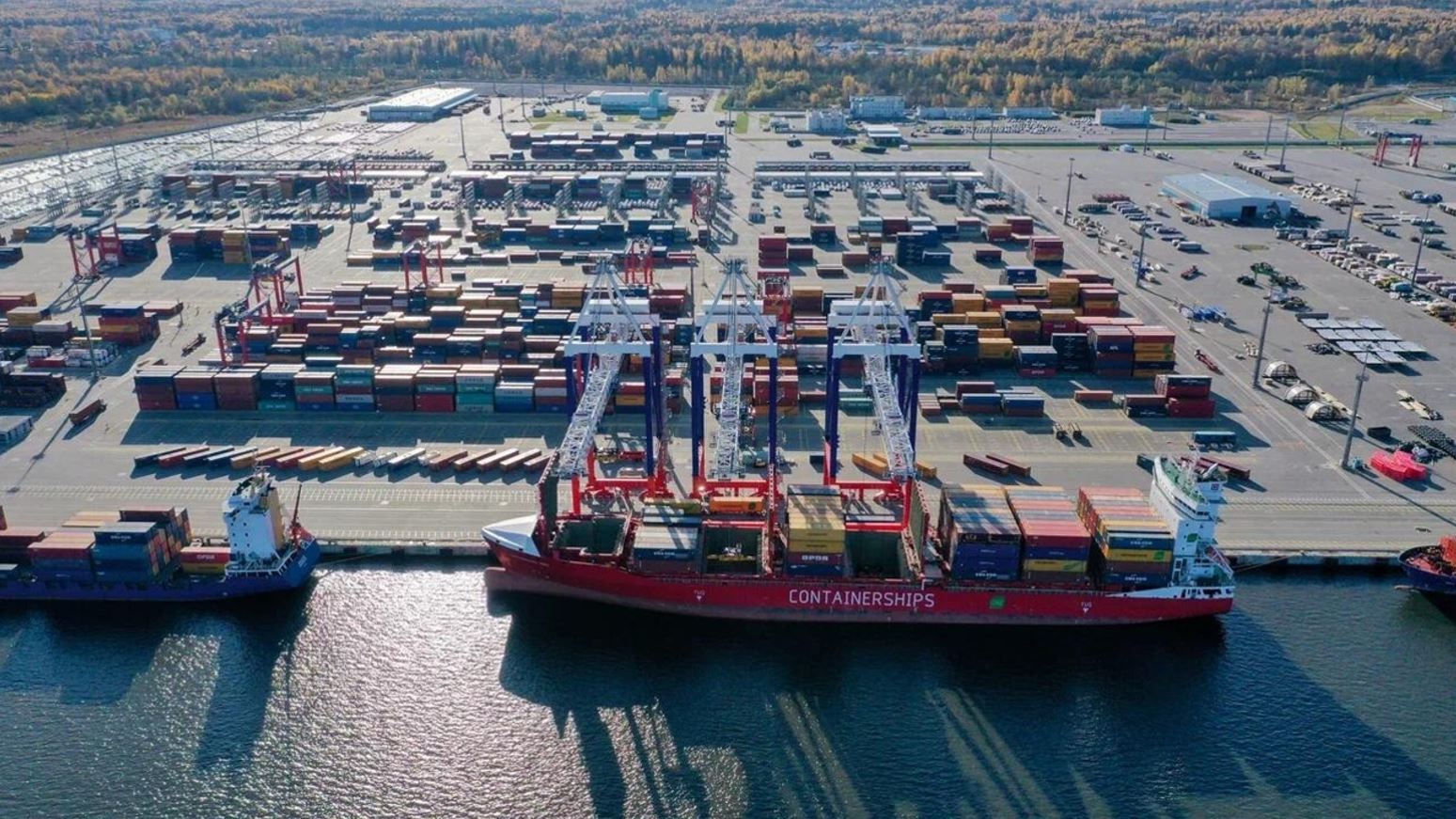
Bronka is a multipurpose transshipment complex (MPC) located in Kronstadt, on the southern coast of the Gulf of Finland. The terminal is part of the Greater Port of St. Petersburg and is considered one of the most technologically advanced container hubs in the Baltic region.
Key characteristics of the port:
Deep-water berths with a depth of up to 16 meters, allowing the reception of large Panamax-class and larger container ships.
Modern crane infrastructure with high-performance ship-to-shore (STS) cranes and yard equipment.
Direct railway connection. A railway station is located directly on the terminal grounds, allowing trains to enter without unnecessary shunting through the city.
Customs control zone and warehouse capacity for handling various cargo categories.
For Belarus, Bronka has become a strategic alternative to the ports of Klaipeda and Riga, which historically handled a significant volume of Belarusian transit and export.
Route Logistics: How the Chain Works
The new route is built on a classic multimodal scheme:
Leg 1: Rail Transit
The container train is formed at Belarusian stations (Minsk-Kolyadichi, Zhodino, Borisov) and travels through Russian territory to the destination station — the railway hub of Bronka Port. The distance from Minsk to St. Petersburg by rail is about 800 km, with a transit time of 1.5–2 days.
Leg 2: Port Transshipment
At the Bronka terminal, the container is lifted from the rail flatcar, passes through the port Container Freight Station (CFS), or is directly transshipped onto a sea vessel. Operations are performed in a single logistics window, reducing processing time.
Leg 3: Sea Shipment
From Bronka, containers depart via sea lines in several directions:
Asian countries (China, Vietnam, India) via transit hubs.
Middle East and Africa.
Mediterranean countries (via hub ports).
Reverse import — cargo from these regions arrives at Bronka by sea and is then delivered to Belarus by rail.
What Cargo Moves on This Route
The new corridor is in demand by two main categories of clients:
Belarusian Exporters
Potash fertilizers and chemical products (this flow is recovering following the lifting of US sanctions on Belaruskali).
Timber and wood processing products.
Food products (dairy, confectionery, alcoholic beverages).
Industrial equipment and machinery.
Importers Working with Asia
Containers with electronics, components, textiles, and equipment from China, Vietnam, and India arrive by sea at Bronka and are then delivered to Belarus by rail in 1.5–2 days. This is significantly faster and cheaper than routing via Far Eastern ports, which involve a much longer rail leg.
Technical Requirements for Containers and Cargo
Standard transportation rules for the 1520 mm gauge network apply to the Belarus–Bronka route, with additional considerations for port transshipment.
1. Container Requirements
Standard 20-foot (20’ DC) and 40-foot (40’ DC / 40’ HC) ISO shipping containers.
A valid CSC plate is mandatory.
Functional corner fittings — this is what port cranes use to lift the container. Deformation or cracks in the fittings will lead to a refusal of transshipment.
Weather-tightness (must pass a light test) and functional locking mechanisms.
2. Weight Restrictions
20-foot container: Gross weight up to 28–30 tons (including tare weight).
40-foot container: Gross weight up to 30–31 tons on a standard four-axle flatcar.
Exceeding these limits requires the use of six-axle flatcars or the arrangement of special permits.
3. Cargo Securing Requirements
Cargo inside the container must be securely fastened. Rail dynamics on the Minsk–St. Petersburg section include braking, passing switches, and shunting operations at the port. A shifted center of gravity or unsecured cargo can lead to container damage and refusal of acceptance by the port.
4. Documentation
Railway consignment note (SMGS).
Commercial transport documents (invoice, packing list).
Certificates of origin (ST-1 or Form A) for preferential treatment.
Phytosanitary, veterinary, or other permits (if necessary).
VGM (Verified Gross Mass) declaration — mandatory for sea shipment from the port.
Customs Procedures: Three Scenarios
Depending on the direction of cargo movement, different customs regimes apply.
Scenario A: Export from Belarus outside the EAEU
Belarusian goods travel to Bronka Port under the EAEU transit procedure, and an export declaration is filed at the port for release outside the Union. Duties are paid if the goods are subject to export rates (e.g., certain fertilizers or timber).
Scenario B: Import from third countries to Belarus
Cargo arrives by sea at Bronka, where it is placed under temporary storage or an import declaration is immediately filed with payment of duties and VAT. It then travels by rail to Belarus under the EAEU internal customs transit procedure.
Scenario C: Transit cargo
If a container travels from a third country through Bronka further to Kazakhstan or other EAEU countries, a customs transit procedure with a delivery guarantee is filed.
In each case, accurate declaration of weight, HS code, and country of origin is crucial. Discrepancies lead to delays both on the railway and at the port.
Business Advantages of the Route
Schedule predictability: A regular container train means fixed departure and arrival days. This allows planning sea shipments around specific vessel slots, avoiding downtime.
Reduced logistics leg: Compared to routes via Far Eastern ports (Vladivostok, Nakhodka), the rail leg to Bronka is 4–5 times shorter. This saves 7–10 days of transit time and significantly reduces rail tariff costs.
Single customs space: The entire chain from Minsk to Bronka operates within the EAEU. This simplifies documentation and allows the use of unified delivery guarantees.
Port technology: Bronka is one of the most modern terminals in the Baltics. The speed of container processing, availability of reefer plugs, and specialized zones for dangerous goods make it a convenient hub for Belarusian clients.
Risk diversification: Having an alternative sea access point reduces dependence on a single direction and allows for flexible responses to changes in market conditions or the geopolitical situation.
Economics of the Route
The cost of transportation along the Minsk–Bronka–destination seaport chain consists of:
BelZhD rail tariff (depends on weight, container type, and distance).
Bronka Port terminal charges (THC, loading/unloading operations).
Sea freight to the destination port.
Customs fees and broker services.
According to logistics operators, for most destinations, the route via Bronka is 15–25% cheaper than alternative routes via the Far East, with comparable overall transit times.
"First Minsk Terminal" is ready to calculate the cost of shipping your container to Bronka Port, taking all components into account, and to offer an optimal operational scheme.
Contacts for Cost Calculation and Shipment Organization:
Terminal addresses: Minsk region, Machulishchi airfield, Aerodromnaya str. 15A; Borisov, Bratyev Vainrub str. 39.
Dispatch service: +375 333 888 112
Email: Minskdepot@mycontainers.ru
Client Manager (Vladislav): +7 (912) 251-37-46 (WhatsApp, Viber), bv@mgcorporation.org
*The information on this page does not constitute a public offer.