

 Borisov, Brat'yev Vaynrubov, 39
 Minsk Machulishchy Air Base, Minsk Region
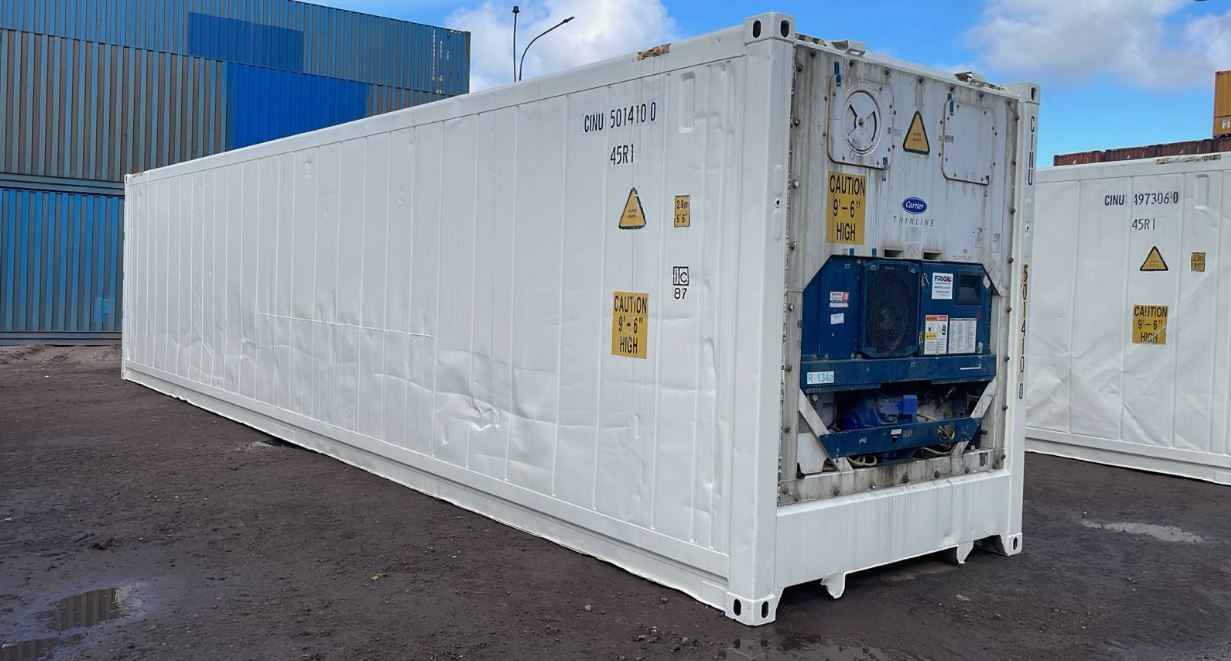
Let’s start with the essentials.
A PTI (Pre-Trip Inspection) is a comprehensive technical inspection of a refrigerated (reefer) container before it is loaded with cargo. It is not a quick visual check but a standardized diagnostic procedure that typically takes several hours and evaluates every critical system of the refrigeration unit.
Without a PTI, a refrigeration unit that appears to be functioning normally may fail during transit—resulting in spoiled cargo, financial losses, and liability for the carrier or container operator.
Below, we’ll explain what a PTI includes, why it’s important, and how it protects everyone involved in the cold chain.
Common Problems Found in Reefer Containers
When a refrigerated container returns from a voyage or has been stored for an extended period, its technical condition is often unknown.
Typical hidden issues include:
● Refrigeration system fault codes stored in the controller
● Partial refrigerant loss
● Temperature sensors that have drifted out of calibration
● Electrical faults
● Air circulation problems
The refrigeration unit may still start and produce cold air, yet be operating close to failure.
A PTI removes this uncertainty.
During the inspection, the refrigeration unit is tested under simulated operating conditions, including:
● Cooling mode
● Heating mode
● Temperature setpoint changes
● Ventilation performance
● System tightness and leak checks
If hidden defects exist, they are discovered at the terminal—before cargo is loaded—not during the journey.
What Does a PTI Test Check?
The PTI follows a strict inspection sequence specified by the equipment manufacturer.
A diagnostic computer connects directly to the refrigeration controller and tests every major component.
The inspection includes:
● Compressor performance
● Expansion valve operation
● Refrigerant pressure
● Operating mode switching
● Compressor crankcase heater
● Evaporator fan operation
● Condenser fan operation
● Temperature sensor accuracy
● Electrical wiring integrity
Once testing is complete, the system generates an inspection report indicating either:
● PTI Passed
● Faults Detected
If faults are identified, the report lists the corresponding diagnostic error codes.
The completed PTI report is then provided to the shipper and, when required, to the shipping line.
PTI Error Code Reference
Power Supply and Communication Errors
Error Code | Description | Recommended Action |
AL50 / AL051 | Power supply interruption detected. The controller recorded an unexpected power loss. | Inspect the power cable and plug. Check controller terminals for corrosion or overheating. If the event occurred only once, repeat the PTI. If recurring, replace the power cable or repair the power supply. |
AL51 / AL052 | Controller parameter or memory fault. | Restart the controller and update the firmware. If the problem persists, diagnose or replace the control board. |
AL10 / AL011 | High supply voltage detected. | Check the terminal power supply, transformer, and electrical circuits. If the event was isolated, clear the fault log and repeat the PTI. Persistent voltage spikes require power protection measures. |
AL11 / AL012 | Low supply voltage detected. | Inspect the electrical supply and connections. If necessary, connect the unit through a voltage stabilizer. |
Temperature Sensor Errors
Error Code | Description | Recommended Action |
AL20 / AL020 | Supply air temperature sensor open circuit or out of range. | Inspect the wiring and connector, replace the sensor if necessary, recalibrate, and repeat the PTI. |
AL21 / AL021 | Return air temperature sensor fault. | Diagnose wiring, replace the sensor, recalibrate, and repeat the PTI. |
AL26 / AL026 | Excessive difference between supply and return air temperatures. | Verify calibration using a reference thermometer. Replace faulty sensors if required. If sensors are accurate, inspect airflow and the evaporator for blockage. |
AL27 / AL027 | Evaporator temperature sensor failure. | Inspect the sensor for mechanical damage, replace if necessary, and verify installation. |
Refrigerant and Compressor Errors
Error Code | Description | Recommended Action |
AL53 / AL053 | Low suction pressure. | Check refrigerant charge, locate and repair leaks, recharge the system, and inspect the expansion valve and filter-drier if pressure remains low. |
AL54 / AL054 | High discharge pressure. | Clean the condenser, inspect condenser fan operation, flush the heat exchanger, and check for restrictions or a clogged filter-drier. |
AL55 / AL055 | Compressor failure or overload protection activated. | Inspect the contactor and starting relay, measure winding resistance, replace the compressor if seized, and inspect compressor oil condition. |
AL57 / AL057 | High-pressure safety shutdown. | Investigate refrigerant overcharge, blocked condenser, or faulty pressure switch. The container must not be loaded until the cause is corrected. |
Defrost System Errors
Error Code | Description | Recommended Action |
AL60 / AL060 | Defrost heater failure. | Inspect heater circuits, electrical connections, and heating elements. Replace defective heaters and verify relay operation. |
AL61 / AL061 | Defrost cycle exceeded maximum time. | Check for excessive ice buildup, blocked drains, and faulty defrost termination sensors. |
AL62 / AL062 | Defrost cycle did not start. | Diagnose the control circuit, relay, and controller board. |
Ventilation and Airflow Errors
Error Code | Description | Recommended Action |
AL70 / AL070 | Evaporator fan failure. | Inspect power supply, motors, and fan blades for mechanical obstruction. Replace faulty motors and check protective guards. |
AL71 / AL071 | Condenser fan failure. | Diagnose the fan motor, replace if necessary, and inspect mounting hardware. |
AL72 / AL072 | Insufficient airflow. | Clean the evaporator, inspect air passages, and verify cargo loading patterns if the container is loaded. Confirm correct fan rotation. |
Controller and Firmware Errors
Error Code | Description | Recommended Action |
E001 / EE001 | Internal controller memory error. | Restart or reflash the controller. Replace the control board if the fault returns. |
E002 / EE002 | Communication failure between the controller and display or peripheral module. | Inspect cables and connectors. Replace the display module or cable if required. |
E101 | Real-time clock error. | Reset and synchronize the controller clock using diagnostic software. Replace the controller battery if necessary. |
Booking a PTI Test
A PTI inspection can be requested:
● When placing a refrigerated container into storage, or
● As a standalone service for containers already stored at our terminal.
Testing is normally completed within one business day after the request is confirmed.
PTI pricing is fixed and discussed when the service agreement is signed.