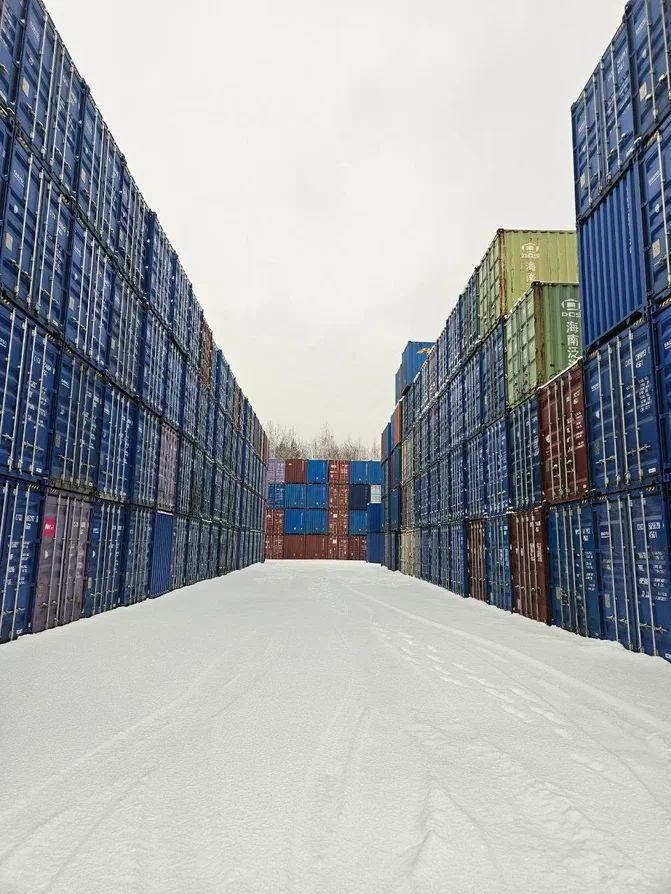


 Borisov, Brat'yev Vaynrubov, 39
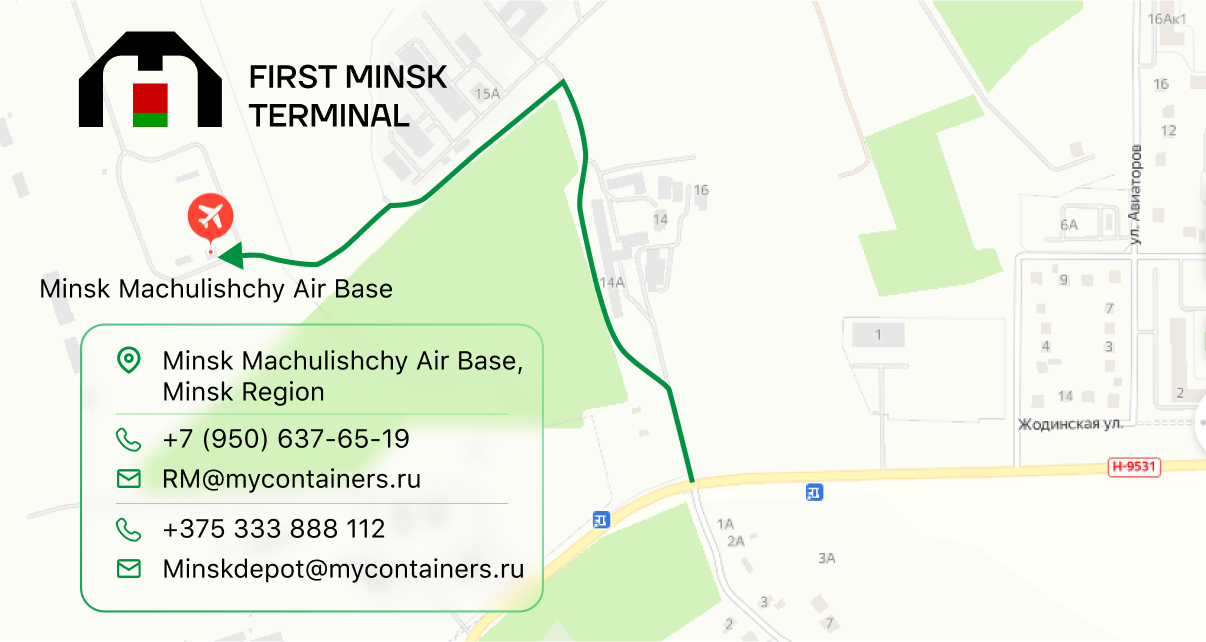 Minsk Machulishchy Air Base, Minsk Region
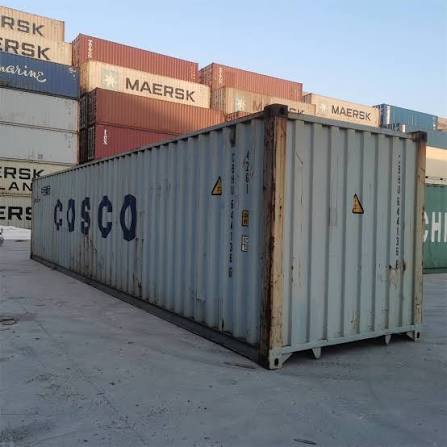
We are selling used 40ft DC shipping containers in Minsk in Cargo Worthy condition
We are offering used 40-foot DC (Dry Cube) shipping containers in Minsk. Condition: Cargo Worthy, price: $3,500. Each container has undergone full pre-sale preparation: we thoroughly checked the shell, doors, seals, and frame. You are welcome to visit, inspect, and select a container on-site.
Standard Dry Cargo: Maximum Volume
40ft DC shipping containers are the most sought-after container type in the industry. They are used for transporting dry cargo (equipment, furniture, building materials) and serve as the foundation for site offices, workshops, warehouses, and even residential modules. The main advantage of the 40ft DC format is its usable volume of approximately 67 cubic meters within standard transport dimensions. If you need a maximally spacious yet versatile box, this is your choice.
40ft DC Container Specifications
Feature | Specification |
External / Internal Length | 12,192 mm / 12,032 mm |
External / Internal Width | 2,438 mm / 2,352 mm |
External / Internal Height | 2,591 mm / 2,395 mm |
Internal Volume | ~67.6 m³ |
Euro Pallet Capacity | Approx. 25–26 Euro pallets (single tier) |
Payload | Up to 28 tonnes |
Tare Weight | ~3,700–3,900 kg |
Shell Material | Corrugated steel |
Flooring | Bakelized plywood (often ribbed) or solid transport-grade timber. Resistant to forklift loads. |
Ventilation | Passive ventilation via ventilators in the upper part of the side walls. |
Coating | Multi-layer anti-corrosion coating with primer, designed to withstand harsh marine environments. |
What Does Cargo Worthy Condition Actually Mean for a DC Container?
Cargo Worthy translates to "fit for cargo." It doesn't mean the container is brand new and gleaming with fresh paint. It means it is fully functional for transport, storage, and modification without requiring major repair investments.
Shell & Frame
Dry containers don't have sandwich panels; instead, they use corrugated steel sheets. The metal is checked for through-holes and cracks. The frame—the backbone of the container—has no deep pitting corrosion. Surface rust or cosmetic dents that do not affect the overall geometry are permitted. The CSC safety approval plate with manufacturing dates and approvals is present and legible on the door.
Doors & Seals
Doors open without sticking, and the locking mechanism is fully operational. Rubber gaskets are supple, with no tears or shrinkage, guaranteeing water tightness. The roof is visually checked for light leaks from the inside to rule out any seepage.
Flooring
The container floor has no soft spots, sagging, major chips, or signs of rot. Paint scuffs and minor scratches are acceptable, but holes and mold are strictly excluded.
What CW Doesn't Mean (But You Should Know)
CW is not a cure-all for scratches and chips. Containers operate in harsh marine environments, so rust streaks, traces of old markings, and sticker residue are completely normal. However, if you need a dry, robust container for storage or cargo transport that will serve you reliably for decades, Cargo Worthy is exactly what you need!
How Pre-Sale Preparation of a Dry Container Works
Before a container goes up for sale, it undergoes a multi-stage inspection at our terminal. This isn't just a quick look with a flashlight; it's a formal technical clearance:
Visual Shell & Roof Inspection
Walking the perimeter to check for through-holes. Special attention is paid to the bottom of the walls and attachment points to the cross members. The roof is inspected from the inside for light leaks to rule out micro-cracks.
Floor Testing
Tapping and water testing. The plywood or timber floor must not spring or "give." We also check for unpleasant chemical odors (if it previously carried chemicals or leather, the smell doesn't just air out).
Door & Geometry Test
Doors must close without the need for a crowbar. Locking handles turn smoothly, and gaskets seal flush around the entire perimeter. The container is placed on a level surface to check for "racking" (frame twist or distortion).
Anti-Corrosion & Cosmetic Touch-ups
Hinges are lubricated, minor cosmetic flaws on weld seams are touched up if necessary, rubber elements are restored, and markings are refreshed.
Why Do Customers Buy 40ft DC Containers in Belarus?
We identify three main scenarios driving our clients to choose 40-foot dry cargo containers:
1. Mobile Storage for Business and Construction
The most obvious use case. Storing building materials, equipment, and machinery. The container sits on a lot or construction site, protecting assets from weather and theft. The volume of a 40ft box is comparable to a full-sized room in an apartment.
2. Conversion into a Site Office, Workspace, or Residential Module
A Dry Cube is the perfect base for construction camps, administrative spaces, and even country cottages. The steel frame easily supports insulation, interior finishing, and window cutouts. CW rust spots are no concern, as the interior and exterior are going to be painted and finished anyway.
3. Transport & Logistics
Full-service relocation (an entire house in one container) or shipping commercial cargo across the CIS. Compared to a 20ft unit, a 40ft container saves on freight costs per cubic meter when transporting lightweight, high-volume cargo.
How to Buy a 40ft Shipping Container in Minsk?
Contact us, and we will match a dry container to your specific needs. We will arrange a visit to our container terminal in Borisov for a pre-purchase inspection. Remote video inspections are also available.
Phone: +375 333 888 112
Mobile: +7 (912) 251-37-46
Email: Minskdepot@mycontainers.ru
*The information on this page does not constitute a public offer.