

 Borisov, Brat'yev Vaynrubov, 39
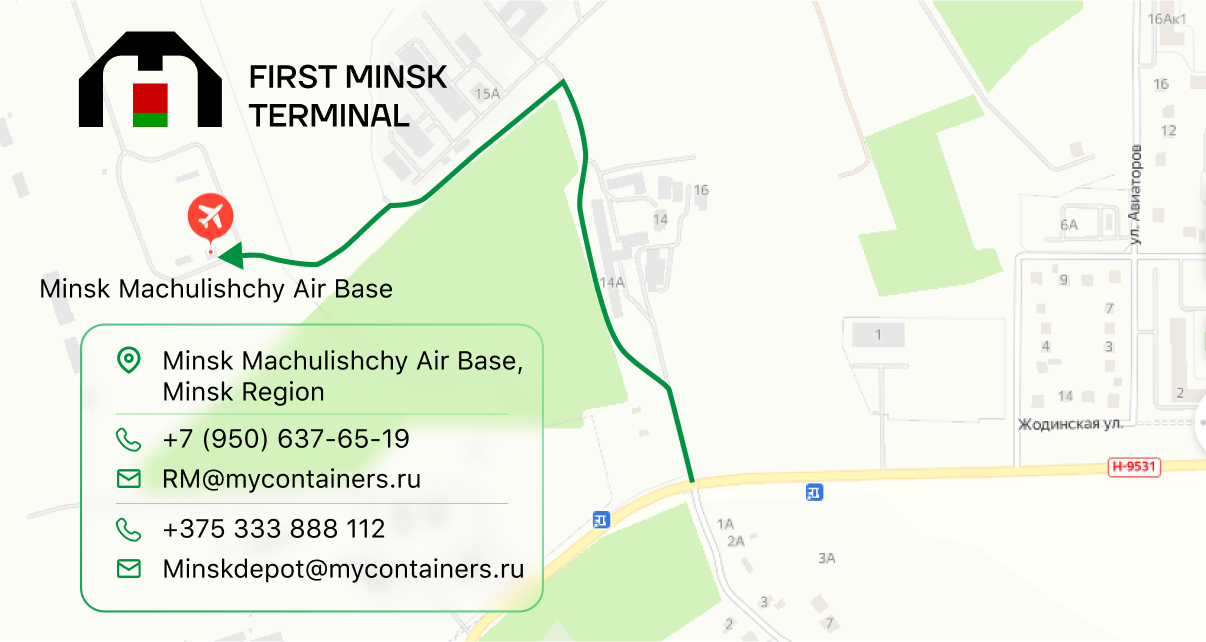 Minsk Machulishchy Air Base, Minsk Region
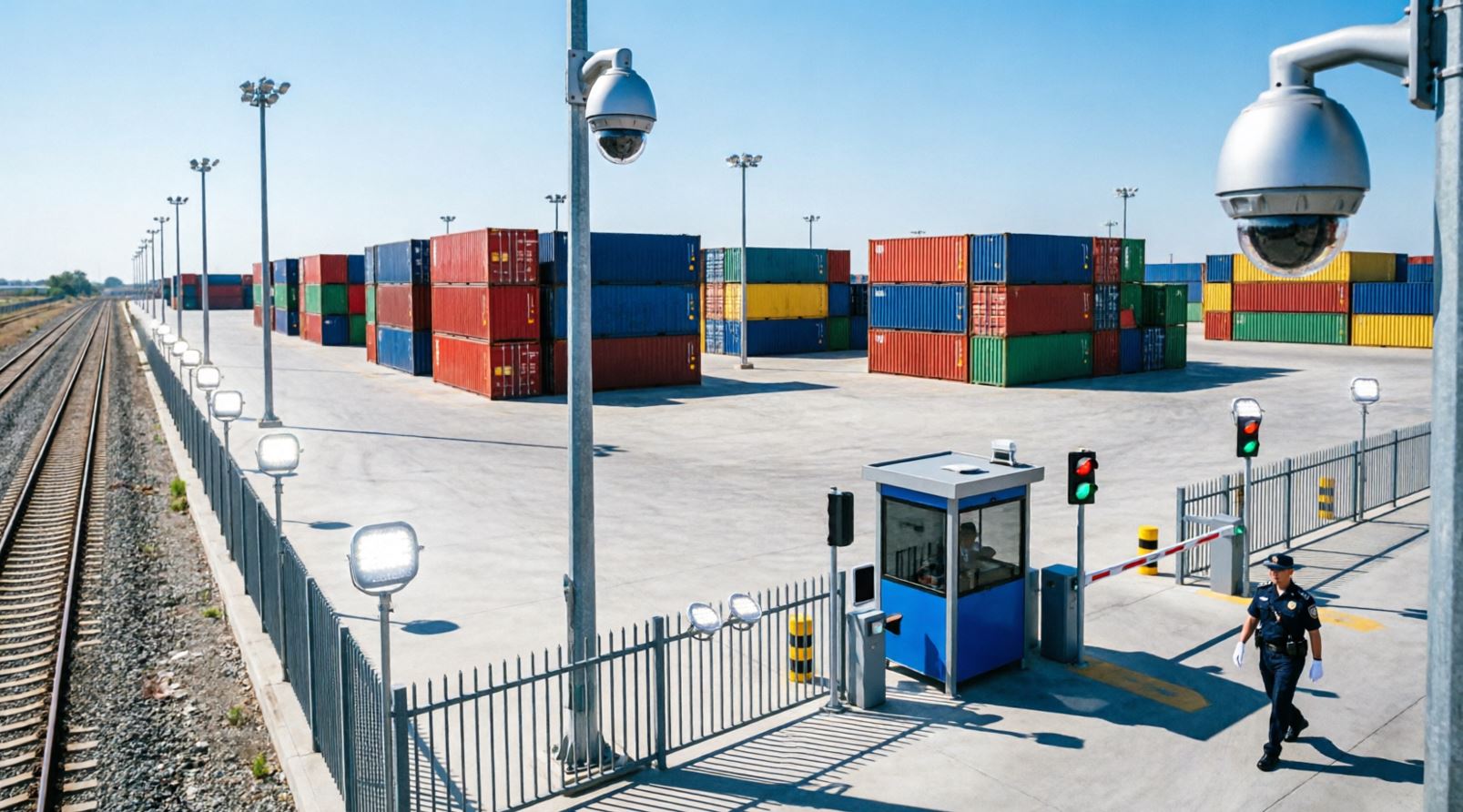
Selecting a container terminal in Belarus is a long-term strategic decision—not one that can be reconsidered every few months.
For shipping lines, container leasing companies, freight forwarders, and international 3PL providers, choosing the wrong terminal can result in hundreds of thousands of euros in avoidable costs. Train delays, detention charges, damaged equipment caused by improper stacking, and reduced container asset value all have a direct impact on operational performance and the company’s bottom line.
While Belarus offers numerous storage facilities and inland depots, only a limited number are equipped to meet the operational standards required by global logistics companies.
Below are six essential criteria industry professionals use when evaluating long-term terminal partners.
1. Direct Access to Rail Infrastructure
A container depot should be located close to major railway infrastructure.
For companies operating on the China–Europe rail freight corridor, efficient rail access is a fundamental requirement. Every additional truck movement increases transportation costs, handling time, and the risk of equipment damage.
Terminals with direct rail connectivity enable faster train formation, shorter transit times, and more efficient container repositioning between Europe and Asia.
2. Advanced Container Management System
The era of managing container fleets through spreadsheets and paper records is over.
Large fleet owners require complete operational transparency.
A professional terminal should operate a dedicated Container Management System (CMS) such as SKAT or an equivalent platform.
Operations managers in Shanghai, Singapore, Hamburg, or Rotterdam should be able to monitor every container in real time, including:
● Gate-In date and time
● Inspection results
● Repair status
● Current storage location
● Gate-Out readiness
Without digital integration, managing thousands of containers quickly becomes inefficient and error-prone.
3. In-House Container Repair Services
Relying on third-party repair contractors introduces unnecessary delays and reduces quality control.
A modern container terminal should maintain its own certified repair teams capable of performing:
● Cargo Worthy repairs
● Structural repairs
● Door and flooring replacement
● CSC inspections
● Pre-trip preparation
Performing repairs on-site eliminates unnecessary transportation, reduces turnaround time, and allows containers to return to service much faster.
4. Modern Handling Equipment and Fast Operations
Terminal productivity depends heavily on both equipment quality and operator expertise.
Professional facilities should operate modern:
● Reach stackers
● Rubber-tyred or rail-mounted gantry cranes
● Heavy-duty lifting equipment
These machines enable safe handling of high container stacks while maintaining fast loading and unloading operations.
Higher operational efficiency translates directly into lower waiting times and reduced logistics costs.
5. Physical Security and Controlled Access
An empty shipping container typically represents an asset worth US$2,000–5,000.
Protecting that asset requires more than simple fencing.
A professional terminal should provide:
● Fully enclosed perimeter fencing
● 24/7 security personnel
● Comprehensive CCTV coverage with no blind spots
● Controlled gate access
● Driver identification and document verification
● Continuous monitoring of terminal operations
For container leasing companies, protecting fleet assets is a critical component of risk management.
6. Transparent Pricing and Clearly Defined Service Level Agreements (SLAs)
Large logistics companies expect complete cost transparency.
A professional terminal agreement should clearly define:
● Storage charges
● Lift-on/lift-off (LOLO) rates
● Repair pricing
● Additional handling services
● Container inspection fees
● Financial responsibilities for service delays
Equally important, the contract should include measurable Service Level Agreements (SLAs) and clearly defined responsibilities if agreed processing times are not met.
Unexpected charges—such as fees for moving containers within a stack simply to access another unit—are often a warning sign of poor operational planning and non-transparent pricing.
Why First Minsk Terminal?
First Minsk Terminal has built its operations around the requirements of international shipping lines, container leasing companies, and global logistics providers.
Our facilities combine:
● Strategic location on the Europe–Asia transport corridor
● Modern rail-connected infrastructure
● Digital container tracking
● Professional repair services
● Efficient cargo handling equipment
● Transparent commercial terms
We provide the infrastructure, technology, and operational expertise needed to manage large container fleets efficiently at one of Eurasia’s most important logistics crossroads.
Request a Commercial Proposal
If your company is looking for a reliable partner for container storage, repair, consolidation, or empty container management in Belarus, our team is ready to prepare a customized commercial offer and arrange a terminal visit.
Terminal Locations
● 5A Aerodromnaya Street, Machulishchi Airfield, Minsk Region, Belarus
● 39 Bratyev Vaynrub Street, Borisov, Belarus
Dispatch Office
+375 333 888 112
Minskdepot@mycontainers.ru
Key Account Manager (Vladislav)
+7 (912) 251-37-46 (WhatsApp, Viber)
bv@mgcorporation.org